


Restaurants and Bars Pest Control Melissa, TX
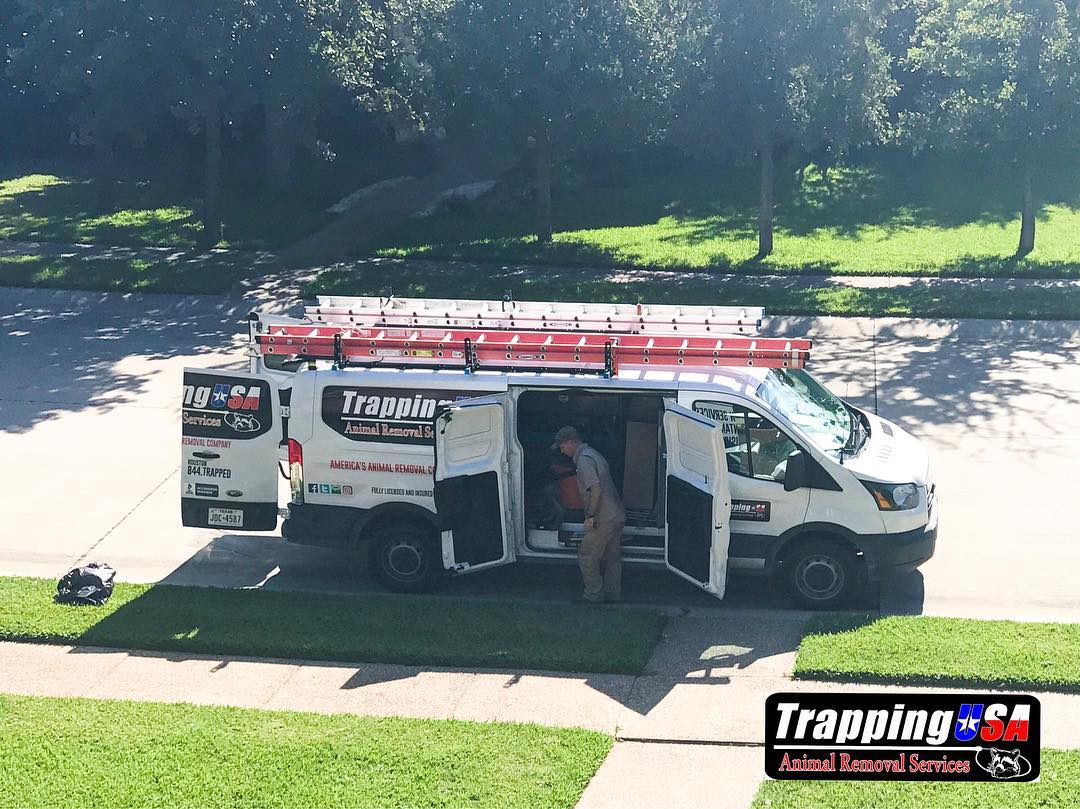
During a dinner rush, pest sightings need attention. Drawing on years of expertise, Trapping USA handles restaurant pest removal in Melissa, checking affected areas and scheduling follow-up visits after treatment.
Kitchens And Bars With Continuous Guest Traffic
Roaches, Rodents, Flies, Ants, And Stored-Product Pests
Site Reports, Maintenance Notes, And Follow-Up Reviews

Google Rating
4.8 
Pest Control Matched to Melissa, TX Food-Service Conditions
A kitchen complaint rarely tells the whole story. Cockroaches may shelter behind warm prep coolers, while small flies can develop in residue beneath beverage dispensers. Drawing on years of hands-on expertise, Trapping USA identifies the insect, checks the affected station, and follows signs into adjoining spaces. Treatment decisions reflect food handling, sanitation routines, and building access instead of a blanket application across every room or table.

Read Cockroach Activity Along Equipment Lines
Our restaurant pest control specialists check motor compartments, plumbing runs, and equipment seams for German cockroaches. Those clues tell us where control belongs and whether roaches are breeding or simply wandering inside.

Inspect Wet Zones Beyond The Visible Fly
A clean-looking bar can still have sticky residue beneath a mat. After closing, we inspect drain buildup, spilled drinks, and damp corners, then explain what needs removing before choosing fly controls.

Check Packaging And Ingredient Storage
A beetle on a shelf may have arrived inside a carton. Rather than spraying around food bags, we inspect damaged packaging, nearby stock, and receiving habits to trace the insects.

Check Access Along Delivery And Waste Routes
As a restaurant pest control company, Trapping USA checks loading doors for droppings, rub marks, food scraps, and building utility openings before recommending rodent device locations along established travel routes.
Pest Visits That Fit Your Service Day
Tell Us Where Staff Noticed Activity
We don't need a perfect pest description. 'Behind the dishwasher, after dinner' gives us a starting point. Include the shift, who noticed it, and a photo if available.
Start With A Free Inspection
There's no charge for the first inspection. After looking at the reported spots, we'll walk you through what we found and the work we'd propose, leaving the decision with you.
Arrange Access With Your Manager
Locked storerooms can slow an inspection. Your manager can identify the keyholder and a workable access window. That way, our visit doesn't pull staff away during service.
Discuss Food Safety Precautions
Sometimes only one prep surface needs clearing. We'll tell your manager what food to move or cover, then review the product label for restrictions on entering treated areas again.
Agree On The Scope
You'll know which measures we recommend, whether extra equipment is involved, and why each item belongs in the plan before you authorize the work.
Assign The Remaining Tasks
Repair requests, waste handling, and routine cleaning stay with the appropriate staff while our crew handles the approved pest work.
We Address The Conditions That Bring Pests Back
Coverage Across Different Hospitality Setups
Dining Rooms With Full Cooking Lines
Heat around cooking equipment warrants attention, but so do nearby tables. We inspect connected spaces and account for meal service when treating.
Cocktail Bars And Beverage Service Counters
Spilled mixer beneath a tap can breed flies. We look around ice stations and drink waste for damp gaps routine wiping misses.
Counter Service With Constant Guest Turnover
At takeout counters, doors rarely stay shut. Our Melissa restaurants and bars pest control checks cover pickup shelves and delivery access points where staff have seen activity.
Bakeries With Dry Goods And Proofing Areas
Spillage, packaging, or insects among dry ingredients deserve attention. Flour bags, carton seams, and the space around proofers can help us locate the source.
Commissary Kitchens And Catered Meal Preparation
Commissary work spans shared stations and deliveries. We check rack ends, goods intake, and infrequently used preparation space where activity can go unnoticed.
Retail Food Tenants Sharing Back Corridors
When several food businesses share service routes, we examine accessible tenant boundaries and note conditions requiring coordination with property management.
What A Restaurant-Focused Program Changes
|
Service Detail
|
Basic Pest Visit
|
Trapping USA
|
|---|---|---|
|
Fly Complaints
|
May address visible insects without determining where larvae develop.
|
Checks wet residue and possible breeding sources before choosing fly measures.
|
|
Rodent Access
|
May place traps near sightings without reviewing adjacent openings.
|
Checks receiving paths and visible gaps, then recommends trapping and repairs.
|
|
Food Preparation
|
May require the operator to clarify food handling limitations.
|
Discusses application boundaries and preparation before approved work proceeds.
|
|
Manager Handoff
|
May end with treatment only, depending on the agreed scope.
|
Documents observed conditions, completed actions, and issues needing staff attention.
|
Site Plans Built Around Your Layout And Risks
Not every Melissa kitchen has the same weak spots. A newer retail unit might squeeze refrigeration beside multiple delivery doors; a renovated building near Highway 5 could have patched pipe entries or older drains.
Instead of judging by the building’s age, we start where employees work. We check receiving times, cleanup habits, ingredient storage, and the path between waste areas and entrances. We may find flies breeding beneath a bar or a gap rodents use behind the building.
During restaurant pest control in Melissa, those findings determine the work we recommend, including whether a later visit calls for a different approach.
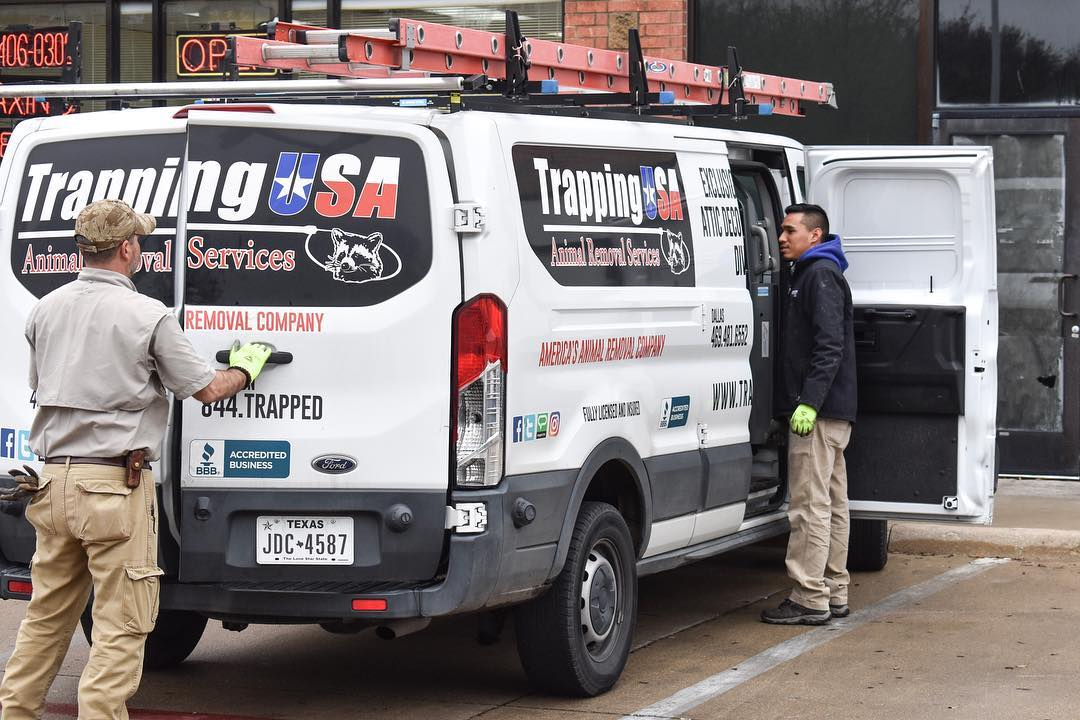
From First Sighting To Documented Next Steps .

Collect The Shift Notes
We ask who saw the pest, when it appeared, and whether staff first found droppings, damaged packages, or repeat sightings.

Walk The Site With Purpose
Inspection moves from the reported station toward nearby food, moisture, shelter, and accessible openings that could be supporting the activity.

Identify The Pest And Habitat
We distinguish fly species, indoor roaches, outdoor invaders, and rodents so the planned response fits the organism and its habits.

Agree On The Treatment Plan
Before work begins, we show your manager the proposed devices, application areas, and food-protection steps. Nothing requiring authorization proceeds without approval.
Carry Out The Approved Work
Most of the room may need no treatment at all. We limit pest extermination services to the agreed spots, whether a trap or a small application is needed. Product-label instructions still apply near food.

Revisit The Findings
An unresolved door gap doesn't disappear from the report because treatment ended. We separate completed measures from pending repairs, then compare any later pest signs with the original record.
The Work Included With Restaurant Service
Standard Restaurant Pest Control
- Initial Walkthrough - Review staff sightings and accessible pest activity near food operations.
- Activity Mapping - Note documented pest evidence, harborage, and likely movement around workstations.
- Focused Treatment - Choose targeted control methods for approved areas based on findings.
- Monitoring Review - Examine monitoring devices and recorded activity for changes since service.
- Visit Documentation - Our local exterminators note recurring signs and outstanding staff actions.
- Entry Observations - Identify visible small gaps near loading doors and utility connections.
- Manager Summary - Explain completed work promptly and which site conditions need attention.
Specialized Fly, Cockroach, And Rodent Programs
- German Cockroach Programs - Address concealed cockroach harborage near motors, seams, and warm equipment.
- Restaurant Fly Control - Locate likely hidden breeding material around beverage stations and drains.
- Rodent Monitoring - Check traps, droppings, signs, and travel routes for continuing activity.
- Exterior Rodent Stations - Recommend secured outdoor stations where exterior movement supports their use.
- Interior Mechanical Trapping - Position approved mechanical devices where evidence shows indoor rodent activity.
- Commercial Fly Equipment - Consider appropriate fly devices while accounting for nearby food preparation.
- Exclusion Recommendations - Identify structural openings that property maintenance should seal or repair.
- Corrective Recommendations - Flag damp buildup, sanitation gaps, and storage conditions needing attention.
Service Arrangements That Respect Kitchen Operations
Inspection Points Our Crew Doesn't Skip
Check torn packaging, pallet corners, and evidence arriving with supplies.
Inspect gaskets, compressor recesses, and hidden residue behind refrigeration units.
Look for leaks and moist film around plumbing connections below.
Examine sweeps, hinges, and exterior gaps near active service entrances.
Review lids, spills, standing moisture, and cover around trash collection.
Note ants, drainage issues, and openings by exterior guest seating.
Information Your Staff Can Use Afterwards
- Our restaurant and bar pest control Melissa service fits around the shifts your staff already work.
- We flag specific gaps and openings so your maintenance staff knows exactly where pest entry needs attention.
- Our monitoring records show your staff whether a sighting looks isolated or calls for another closer check.
- Before approved treatment, we tell your crew which food areas need preparation and what access limits apply.
- A recorded action list helps the incoming shift manager follow unresolved facility tasks.
Frequently Asked Questions
Is the first restaurant inspection free, and what should we prepare?
How frequently should we schedule restaurant pest service?
Can you address insects discovered inside stored food deliveries?
What should employees do when pests appear between your visits?
Food-Service Coverage Beyond Melissa, TX
- Gunter
- Highland Park
- Irving
- Lewisville
- Lake Dallas
- Little Elm
- Lucas
- Melissa
- Mesquite
- Murphy
- New Hope
- Oak Point
Keeping Prevention Working Between Visits
Tell Us Where Activity Started
Describe the pest, its location, and your preferred inspection time.
Call 469-481-6552 to discuss food-service inspection options with Trapping USA
