Commercial wildlife work often involves more than one step. Trapping addresses animals that are already inside or using the property, while exclusion focuses on the openings and conditions that allow access. Treating those steps as interchangeable can leave a building vulnerable or create avoidable complications.
For commercial managers, the useful question is not which method is “better.” It is what each method is meant to accomplish, when it should occur, and how the sequence changes with the species, building layout, and evidence found during inspection.
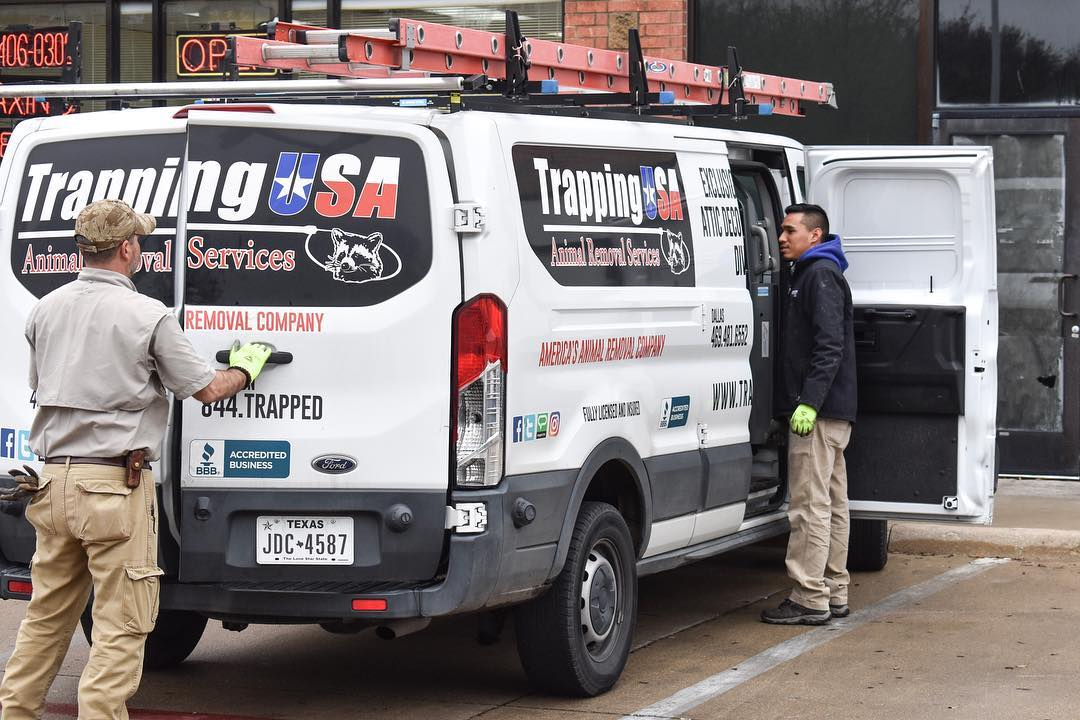
Understand What Trapping Is Meant to Resolve
Trapping is generally used to address animals that are currently present where removal is appropriate. The method depends on species, applicable rules, access, and inspection findings. In a commercial building, the process also has to account for occupied areas, operating hours, and difficult access.
A professional trapping plan may consider:
- The species or suspected species supported by inspection evidence.
- Where activity is occurring and which spaces can be accessed safely.
- How traps or other approved removal devices can be checked without disrupting operations.
- Whether dependent young, nesting activity, or other biological factors affect timing.
- What evidence will show that active wildlife has been removed or activity has stopped.
Our Commercial wildlife removal service considers the building, access points, and wildlife activity before recommending a removal approach.
Does trapping solve the entry problem by itself?
Usually not. Removing an animal addresses the immediate presence, but it does not automatically correct the opening or condition that allowed access. If the entry route remains usable, the same species or another animal may enter later. That is why removal and exclusion are often evaluated together rather than treated as identical services.
Can managers place traps themselves while waiting for service?
Commercial managers should avoid improvising wildlife trapping without knowing the species, legal requirements, or risks involved. Wildlife handling can create safety, animal-welfare, and regulatory concerns. A qualified professional can determine the appropriate method and explain what building staff should or should not do while the issue is being assessed.
Use Exclusion to Address How Wildlife Gets In
Exclusion focuses on access. It can involve sealing, screening, reinforcing, or otherwise correcting openings that wildlife can use to enter a structure. The work should follow inspection evidence rather than closing every visible gap.
Important exclusion considerations include:
- Confirmed or likely entry points around roofs, vents, soffits, doors, utility penetrations, and other openings.
- The size, material, and condition of the opening being addressed.
- Whether animals may still be inside before a route is closed.
- Whether the repair belongs to the wildlife contractor, maintenance team, roofer, or another trade.
- How completed exclusion work will be documented and checked afterward.
Our article on Commercial wildlife challenges explains why larger footprints, rooftop systems, loading areas, and hidden spaces can make commercial wildlife access more complex.
Is exclusion simply another repair word?
Not exactly. Exclusion is aimed specifically at preventing wildlife access. Some exclusion work may involve repairs, but a general building repair does not automatically address wildlife entry. The contractor should identify what opening is being corrected, why it matters, and whether another trade needs to complete part of the work.
Sequence the Work Around Species and Building Conditions
The order of trapping and exclusion is not always identical. In some situations, animals must be removed or allowed to leave before an opening can be secured. In others, selected openings may be addressed while monitoring continues. Species behavior, building configuration, and current occupancy all influence the plan.
Managers should ask the contractor to explain:
- What evidence supports the proposed sequence.
- Which openings can be addressed immediately and which should remain accessible temporarily.
- How the team will determine that wildlife is no longer inside.
- What follow-up inspection or monitoring is included.
- Who is responsible for documenting completed exclusion and unresolved building defects.
This sequencing matters because closing an occupied opening at the wrong time can create new problems. A sound commercial plan connects removal, exclusion, and follow-up instead of treating each step as an isolated task.
Does exclusion guarantee wildlife will never return?
No contractor can reasonably promise that a commercial property will never experience wildlife activity again. New openings, weather damage, construction, roof work, or changing site conditions can create future access. Exclusion reduces identified entry opportunities, while periodic inspection helps managers catch new defects before they become established routes.
Which step should come first?
There is no universal answer. The correct sequence depends on the species, whether animals are currently inside, how they are entering, and what building work is required. The contractor should explain clearly how trapping, exclusion, and follow-up fit together.
Match the Method to the Problem
Trapping and exclusion solve different parts of a wildlife issue, and commercial managers benefit from understanding both before approving work. If your property needs a professional assessment, Trapping USA can inspect the activity, identify likely access points, and recommend an appropriate sequence. Request a commercial wildlife inspection to clarify the next step.
