Two wildlife removal bids can look similar on the first page and cover very different work. One contractor may quote only for capturing an animal above the ceiling. Another may include entry-point repairs, contaminated insulation removal, and return inspections. For a commercial manager, comparing only the final price can leave an expensive gap between removing wildlife and restoring the property.
We recommend comparing proposals by scope, sequence, and documentation. A warehouse, office complex, or retail site in North Texas has operational constraints that a residential quote may not anticipate. The strongest comparison begins with what inspectors found and what each contractor actually promises to complete.
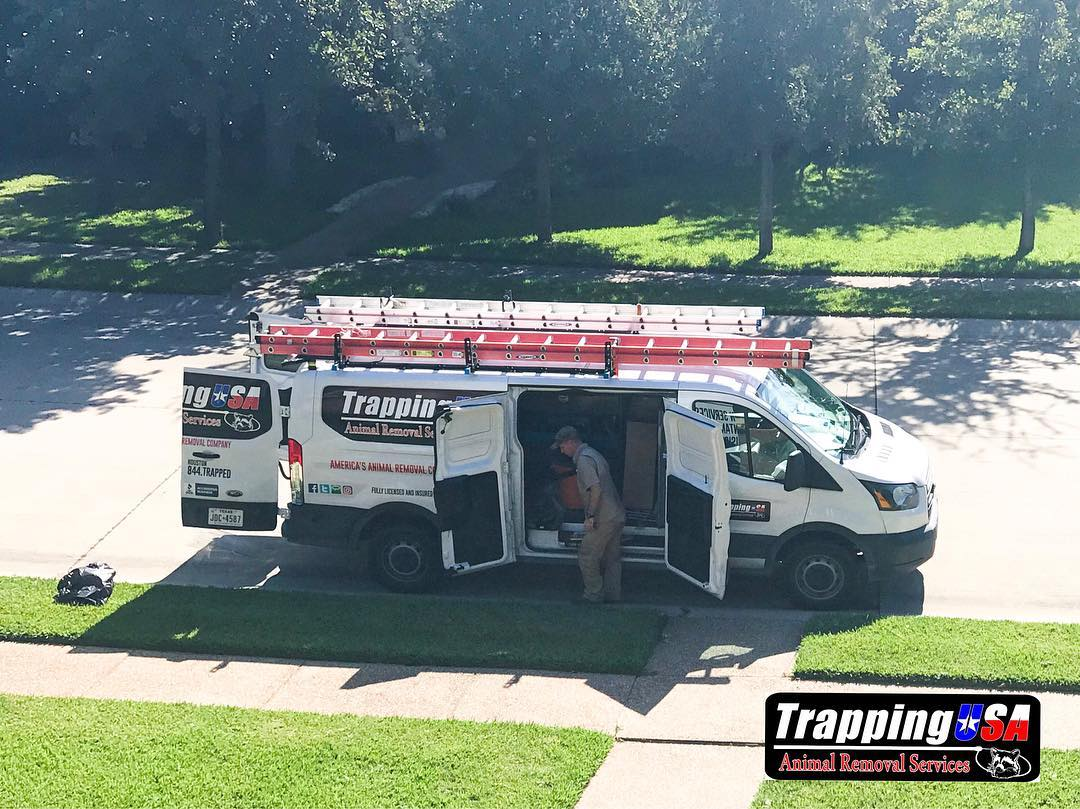
Break the Price Into Removal, Exclusion, and Monitoring
Wildlife removal is not automatically a single visit. Species, numbers, access, and the building layout influence the work needed. An animal using a rooftop vent creates a different project from repeated rat activity around a loading bay. Ask contractors to describe their methods before comparing totals.
A useful quote should distinguish:
- Inspection: Which interior and exterior zones were examined, and which areas remained inaccessible?
- Trapping or removal: What equipment, labor, return visits, and species-specific handling are included?
- Exclusion: Which confirmed entry points will be sealed, screened, or reinforced after removal?
- Monitoring: How will the contractor establish that activity has stopped before closing openings?
- Contingencies: What happens if more animals, additional entry routes, or dependent young are discovered?
A low trapping price may exclude the visits needed to verify that no animal remains. Request an itemized timeline and ask who approves any added work before crews return. Conversely, a broader quote may cover work that the property does not need. Clarify quantities, locations, and deliverables rather than assuming the most extensive package is always the best value.
Our article on commercial wildlife challenges explains why roof access, occupied areas, and business operations affect the service plan. These factors should appear in the written scope, not emerge as unexpected charges during the job.
Ask Exactly What Cleanup and Repairs Include
After wildlife leaves, damage and contamination can remain. Droppings, nesting debris, torn insulation, chewed ductwork, and damaged screens can involve different trades and disposal procedures. A line that simply says “cleanup” offers too little information for meaningful comparison.
Request specifics about:
- Contaminated materials: Whether removal of affected insulation, nesting debris, or waste is included.
- Cleaning methods: What areas will be cleaned, what precautions apply, and what is excluded?
- Repair materials: Whether the quote specifies durable metal screening, weather-resistant sealants, or replacements.
- Building systems: Which duct, electrical, roof, or structural repairs require separate specialists?
- Disposal: Who handles waste transport and any applicable site or regulatory requirements?
Trapping USA’s animal damage repair service describes metal-based exclusion materials and avoids relying on chewable spray foam as an animal barrier. Still, each building needs its own assessment. A damaged rooftop vent, for example, must be repaired without compromising required airflow.
Our guide to wildlife removal and restoration explains why the animal’s departure is only one milestone. Cleanup and repair can be necessary to return affected spaces to service, but they should be itemized so facilities teams can compare equivalent work.
Compare Business Disruption and the Written Terms
Cost also includes interruptions to staff, deliveries, tenants, and maintenance schedules. A proposal that omits access arrangements can become difficult to execute inside an active commercial property. Before approving a vendor, review how the job will be coordinated and documented.
Look for clear answers to these questions:
- Scheduling: Can noisy, restricted, or elevated work be arranged around operating hours?
- Credentials: What insurance, personnel qualifications, and species-specific permits apply to the job?
- Site safety: Who manages roof access, lifts, restricted rooms, and notifications to occupants?
- Warranty terms: What reentry or workmanship issues are covered, for how long, and under what exclusions?
- Completion evidence: Will the manager receive photographs, findings, and a list of outstanding repairs?
An exclusion warranty may not include new damage caused by later construction or a different opening. Likewise, trapping fees may be calculated per visit or according to a defined project scope. Make those distinctions explicit before signing.
We recommend requesting an apples-to-apples schedule of work from every bidder. List the suspected species, affected areas, expected removal steps, openings to repair, cleanup needs, and follow-up criteria. Then flag anything one contractor excludes or prices as an allowance. This gives purchasing and facilities teams a defensible basis for choosing a provider without treating the cheapest number as the whole story.
The right commercial wildlife removal quote explains what happens before, during, and after the animals leave. It also recognizes where specialist building repairs or regulatory approvals are needed. That clarity can reduce operational surprises and make future site inspections more useful.
Compare the Work, Not Just the Price
If wildlife activity is affecting a Texas commercial building, contact Trapping USA for an inspection and a site-specific discussion of removal, exclusion, cleanup, repairs, and monitoring. We can help your facilities team understand the scope before work begins.
