Cooler weather in Texas can change how wildlife uses neighborhoods, yards, and structures. As temperatures drop, animals may look for places that offer steadier warmth, shelter, food, and water. Attics, crawl spaces, garages, chimneys, sheds, rooflines, and areas beneath decks can become more attractive when outdoor conditions feel less predictable.
Our team approaches wildlife control by looking at the full pattern of activity. Rats, mice, squirrels, raccoons, bats, opossums, skunks, armadillos, snakes, birds, foxes, beavers, bobcats, ducks, and feral hogs can all behave differently as seasons change. The goal is not simply to remove an animal that was seen. We also look for access points, nesting areas, contamination, property damage, and the conditions that may encourage repeat activity.
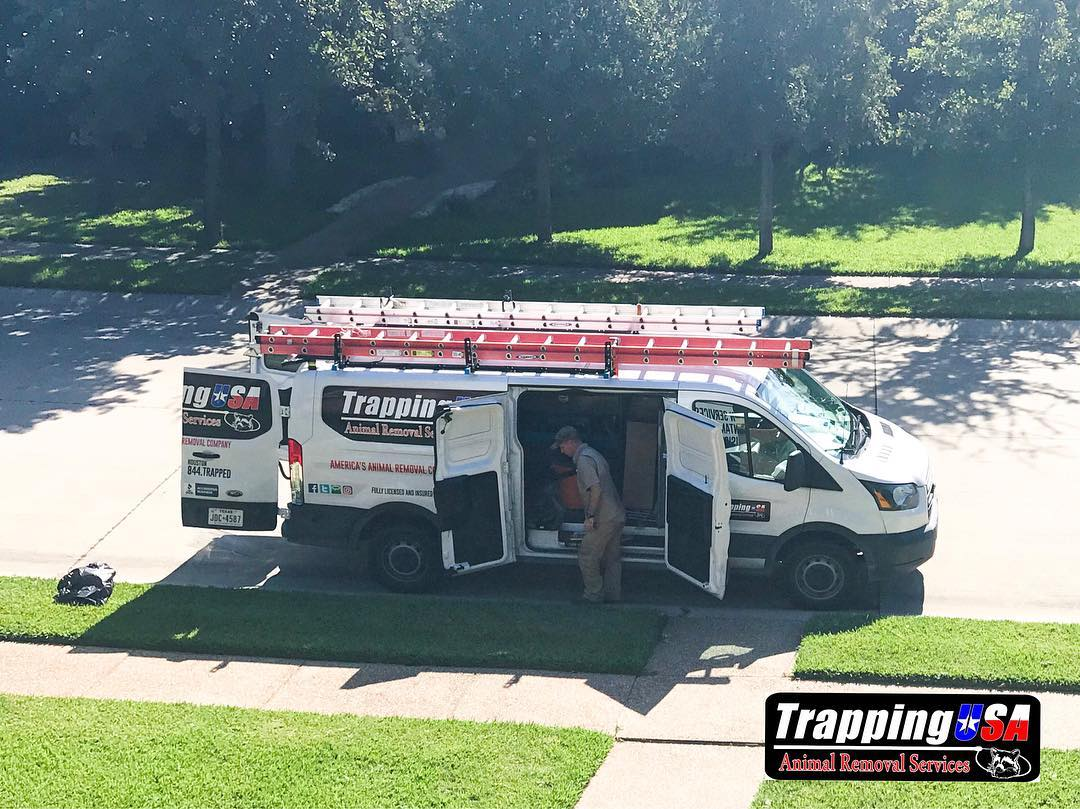
Cooler Nights Make Sheltered Areas More Appealing
Seasonal temperature changes can push wildlife toward protected spaces around a home. North Texas may still have warm afternoons, but cooler nights can make attics, crawl spaces, sheds, garages, and other enclosed areas feel more stable. Storms, dry periods, and shifting food sources can add more pressure by changing where animals find cover and water.
Our guide to Dallas wildlife pressure explains how heat, cooler nights, storms, flooding, tree cover, and dependable resources can all influence movement toward homes.
Common signs of seasonal wildlife pressure include:
- Scratching, thumping, or movement in attics, walls, or crawl spaces
- Droppings, urine staining, nesting material, or strong odors
- Damaged screens, vents, shingles, soffits, or exterior trim
- Disturbed insulation, ducts, wiring, or stored belongings
- Tracks or repeated movement through the same yard or structural area
- Increased activity near sheds, decks, chimneys, or rooflines
These signs can help our technicians determine whether the issue involves one animal, a nesting site, or repeated use of the same shelter.
Food, Water, And Cover Can Keep Wildlife Returning
Weather is only one part of the problem. Wildlife is more likely to stay near a property when food, water, and shelter are easy to find. Pet food, bird seed, accessible trash, fallen fruit, standing water, dense shrubs, woodpiles, and quiet storage areas can all make a property useful to animals searching for reliable resources.
Our team looks at how these attractants connect with structural access. A squirrel may use a tree limb to reach a roofline gap, while raccoons may investigate attics, chimneys, or deck areas. Rats and mice can exploit small openings, and skunks or armadillos may remain closer to ground-level shelter.
Important property conditions to review include:
- Outdoor food or water left accessible for long periods
- Bird feeders and spilled seed near the structure
- Trash, compost, or food waste that wildlife can reach
- Dense shrubs or stored materials near foundation areas
- Tree branches that create easier access to rooflines
- Sheds, decks, crawl spaces, or garages with quiet shelter
Reducing these attractants can support long-term wildlife control, but active problems still require species-specific assessment. Removal methods, exclusion timing, cleanup, and restoration all depend on what animal is present and where it is living.
Entry Points And Hidden Damage Can Turn Into Larger Problems
Wildlife often enters through openings that appear minor from the ground. Roofline gaps, soffits, vents, chimneys, damaged screens, crawl-space openings, and weakened exterior materials can become repeat access routes. Once an animal gains entry, the damage may extend beyond the opening itself.
Our article on emergency wildlife removal explains why urgent situations should begin with keeping people and pets away while the species and entry route are identified. Frightened or trapped animals can behave unpredictably, and direct handling can increase risk.
A professional wildlife-control plan may include:
- Identifying the species before choosing a removal method
- Locating the entry route and checking nearby structural weaknesses
- Inspecting insulation, ducts, wiring, and stored materials for damage
- Removing animals humanely when feasible and appropriate
- Cleaning contamination such as droppings, urine, or nesting debris
- Completing exclusion and follow-up to reduce repeat access
Cleanup and restoration matter because the problem does not always end when the animal leaves. Contaminated insulation, chewed wiring, damaged vents, lingering odors, and open access points can continue affecting the property.
Our team also considers whether young, nesting material, or recurring travel patterns are present before exclusion is completed. Closing an opening without understanding what is inside can create a more difficult problem. Careful timing helps make the process safer and more effective.
Cooler Texas weather does not affect every species in the same way, but it can make homes more attractive as stable shelter. Early evaluation also makes it easier to document fresh evidence before weather, cleanup, or animal movement changes the signs technicians use to trace activity. The strongest response connects inspection, humane removal, cleanup, repair, exclusion, and monitoring. That broader approach helps address both the immediate wildlife problem and the conditions that allowed it to develop.
Keep Seasonal Wildlife From Settling In
If you are hearing attic movement, finding droppings, noticing damaged vents, or seeing wildlife repeatedly around your property, contact Trapping USA for professional wildlife control, humane removal, cleanup, exclusion, restoration, and long-term monitoring.
