Wildlife problems can become urgent when an animal enters an attic, chimney, crawl space, wall, garage, or occupied room. Scratching, strong odors, visible damage, sudden animal movement, or a trapped animal can create stress and increase the chance of property damage or unsafe contact.
Emergency wildlife removal should begin with keeping people and pets away from the affected area and avoiding actions that could corner, injure, or separate an animal from dependent young. Rats, mice, squirrels, raccoons, bats, opossums, skunks, armadillos, snakes, birds, foxes, beavers, bobcats, ducks, and feral hogs all require different handling strategies. Professional assessment helps identify the species, entry route, and safest next step.
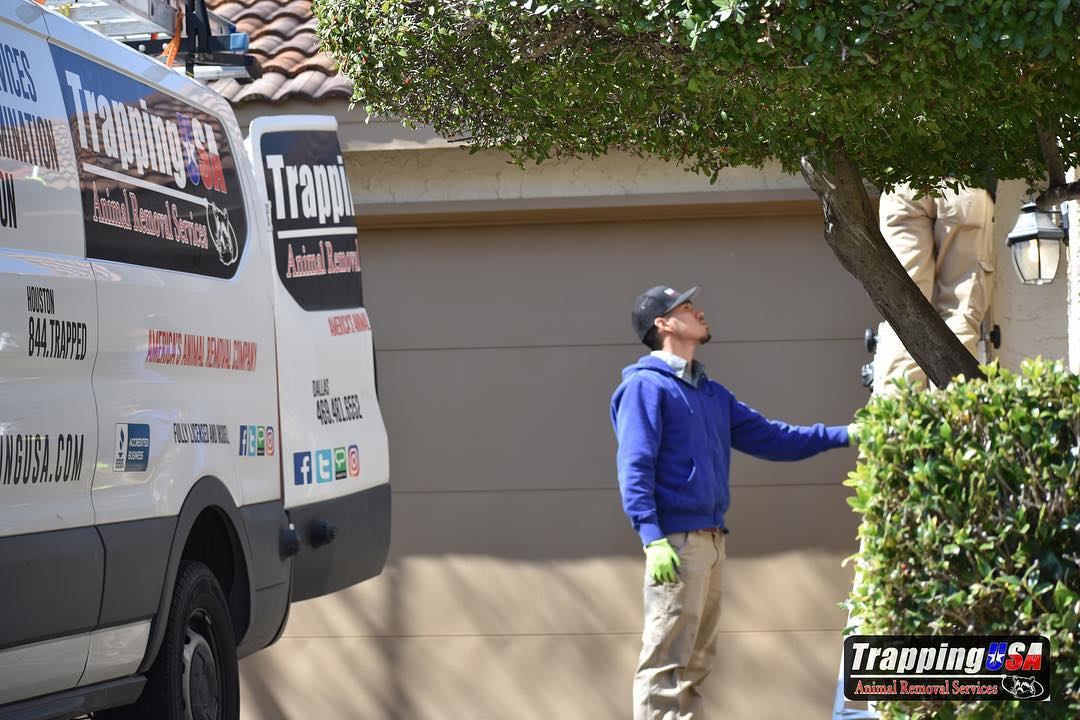
Keep People And Pets Away From The Activity
When wildlife is discovered indoors or very close to occupied areas, the priority is limiting contact. Animals may behave unpredictably when frightened, trapped, injured, or protecting a nest.
Important first steps include:
- Moving children and pets away from the affected area
- Closing interior doors when doing so does not trap the animal dangerously
- Avoiding direct contact with droppings, nesting material, or carcasses
- Keeping distance from animals displaying defensive behavior
- Not blocking suspected exits before the situation is evaluated
- Reporting unusual sounds, odors, damage, and sightings to the technician
A calm response gives professionals more useful information and reduces the chance that the animal moves deeper into the structure. Trying to chase wildlife through a home can make locating and removing it more difficult.
Identify The Species And Entry Route Before Removal
The animal seen by a homeowner is only part of the problem. Wildlife may have entered through a roof gap, vent, chimney, soffit, foundation opening, crawl-space access point, or damaged exterior area far from where it was noticed.
A professional wildlife inspection looks for tracks, droppings, nesting material, chew marks, rub marks, odors, damaged insulation, and likely travel routes. These clues help determine what species is present and whether more than one animal may be involved.
Species identification matters because removal methods vary. Squirrels, raccoons, bats, rats, snakes, birds, and opossums behave differently inside structures. The inspection also helps prevent an opening from being sealed too early, which could trap animals inside or separate dependent young from adults.
Check For Damage And Contamination After The Animal Is Removed
Wildlife can leave behind more than noise. Attics, crawl spaces, walls, and storage areas may contain waste, nesting material, disturbed insulation, chewed surfaces, or odors after the animal is gone.
Post-removal concerns may include:
- Droppings or urine affecting insulation and surfaces
- Nesting debris inside attics, walls, or crawl spaces
- Chewed wiring, ducts, wood, or stored belongings
- Damaged vents, screens, soffits, or roofline materials
- Odors caused by waste or concealed animal remains
- Secondary insects drawn to nesting or decomposition areas
These conditions should be evaluated before the job is considered complete. Professional wildlife removal can be paired with cleanup, deodorizing, sanitizing, attic restoration, and repair recommendations when the intrusion has affected the building.
Restoration Helps Prevent The Same Problem From Returning
Removing the animal resolves the immediate activity, but leaving damaged entry points and contaminated materials behind can create future problems. A broader property restoration plan addresses what remains after removal.
Restoration may involve damaged insulation, screens, ducts, trim, or other materials. Exclusion focuses on closing confirmed entry points once professionals have verified that animals are no longer inside. That sequence matters because repairing an opening before removal is complete can create additional damage or force wildlife into another part of the structure.
Dallas properties can face renewed wildlife pressure from storms, roof wear, tree cover, nearby green spaces, and seasonal shelter needs. Repairing vulnerable areas and documenting the damage creates a stronger long-term response than treating the incident as a one-time animal sighting.
Follow-Up Confirms The Property Is Secure
Emergency service should end with a clear plan for monitoring and prevention. Follow-up helps confirm that activity has stopped and that repaired access points remain secure.
A complete plan may include:
- Rechecking attics, crawl spaces, or rooflines for fresh signs
- Monitoring repaired entry points for renewed damage
- Confirming that traps or exclusion devices are no longer needed
- Reviewing sanitation or restoration work after contamination
- Addressing nearby conditions that support wildlife access
- Scheduling additional evaluation when activity continues
Professional wildlife removal is especially valuable when the situation involves hidden spaces or uncertain animal numbers. Technicians can compare new evidence with earlier findings and determine whether noises, odors, or damage indicate continued activity.
The safest response to an urgent wildlife problem is not simply getting the animal out as quickly as possible. Effective removal identifies the species, protects occupants, locates access points, addresses contamination and damage, and reduces the chance of reentry. That complete process helps restore both the property and the conditions needed for long-term protection.
Restore Safety And Secure The Property
If wildlife has entered your home or business and the situation needs prompt attention, contact Trapping USA for professional wildlife removal, inspection, exclusion, cleanup, and restoration.
