Dallas homes can attract wildlife for many reasons, especially when weather, food, shelter, and structural access begin working together. Animals such as rats, mice, squirrels, raccoons, bats, opossums, skunks, armadillos, snakes, birds, foxes, beavers, bobcats, ducks, and feral hogs may move closer to neighborhoods when they find reliable resources around houses, yards, attics, crawl spaces, sheds, or garages.
A wildlife problem often begins quietly. Homeowners may hear scratching in an attic, notice droppings near storage, find damage around vents, or see disturbed landscaping before they ever spot the animal itself. Professional inspection helps identify the species, trace entry routes, and determine whether the issue involves one animal, a nesting site, or recurring activity connected to the property. It can also reveal less-obvious damage that may otherwise remain hidden for weeks.
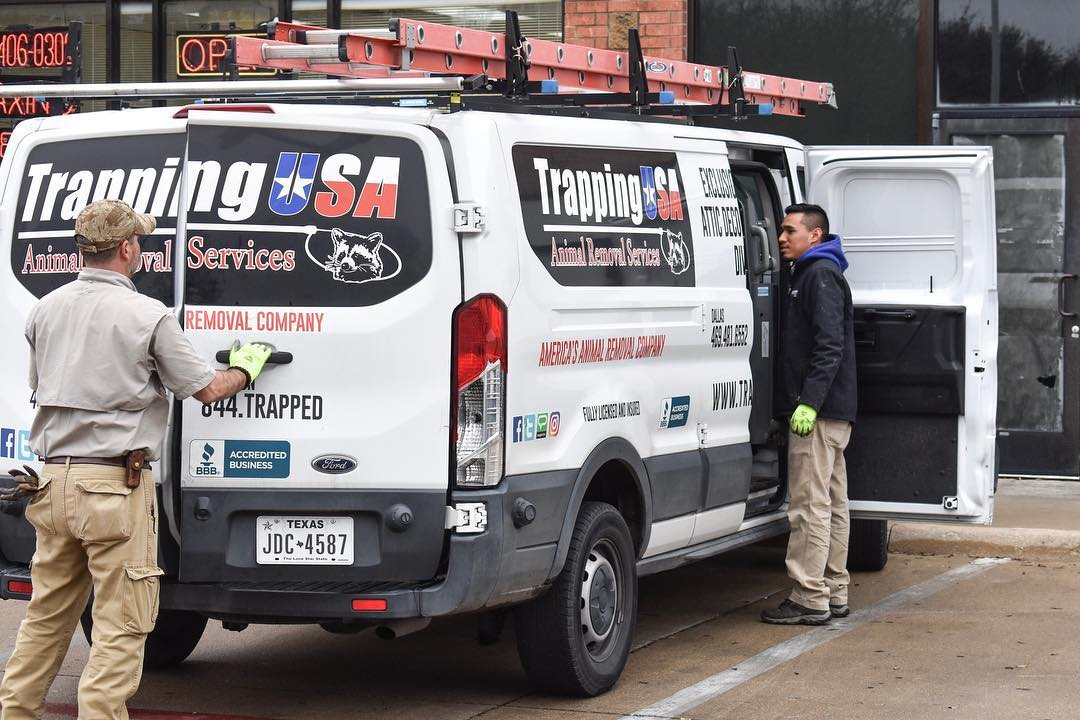
Weather And Seasonal Changes Can Push Wildlife Closer
North Texas weather can change quickly, and those shifts affect how wildlife searches for shelter, water, and food. High summer heat may drive animals toward shaded structures, while storms can damage rooflines, vents, and soffits. As seasons change, protected attic or crawl-space areas may become more attractive.
Conditions that can increase wildlife pressure include:
- Heat that makes shaded yards, attics, and crawl spaces more appealing
- Storms that loosen shingles, screens, flashing, vents, or exterior trim
- Dry periods that concentrate animals around dependable water sources
- Cooler nights that make enclosed structural spaces more attractive
- Tree cover that gives squirrels, rats, raccoons, or other climbers easier roof access
- Flooding or saturated soil that displaces animals from outdoor shelter
When wildlife suddenly appears indoors, the situation can become urgent. Guidance on emergency wildlife removal shows why people and pets should be kept away while professionals identify the species and safest removal approach.
Food, Water, And Shelter Create Long-Term Attraction
Wildlife does not need much encouragement to investigate a property. Bird seed, pet food, unsecured trash, fallen fruit, standing water, dense vegetation, and quiet storage areas can all make a home more useful to animals.
Common attractants include:
- Pet food or water left outdoors for extended periods
- Bird feeders and seed that falls to the ground
- Trash, compost, or food waste that is easy to access
- Fruit, nuts, or other plant material left beneath trees
- Sheds, decks, crawl spaces, or garages that provide protected shelter
- Dense shrubs, woodpiles, or yard debris that create low-disturbance hiding areas
Once an animal discovers a dependable resource, it may return repeatedly and establish a travel pattern. Rats and mice may exploit small gaps, squirrels may use roofline weaknesses, raccoons can investigate chimneys or attics, and skunks or armadillos may seek shelter closer to ground level.
Reducing attractants helps, but active wildlife problems still require species-specific assessment. The safest removal and exclusion plan depends on where the animal is living and whether young, nesting material, contamination, or structural damage are present.
Entry Points And Hidden Damage Can Make Problems Worse
Wildlife often enters through openings that seem minor from the ground. Roofline gaps, soffits, vents, chimneys, foundation openings, damaged screens, and crawl-space access points can all become entry routes.
A professional inspection may uncover:
- Chewed or displaced vent covers and screens
- Openings along eaves, fascia, soffits, or roof intersections
- Damaged insulation, wiring, ducts, or stored belongings
- Droppings, urine staining, nesting material, or persistent odors
- Tracks, rub marks, or repeated movement through the same area
- Secondary insects attracted to waste, nesting debris, or animal remains
Removing the animal is only one part of resolving the issue. The value of wildlife restoration work is that cleanup, repairs, exclusion, and follow-up address what remains after the animal is gone.
That matters because contaminated insulation, chewed wiring, damaged vents, and open access points can continue causing problems even after the home becomes quiet. Restoration helps return affected areas to usable condition while exclusion reduces the chance that another animal will use the same route.
Dallas properties can face wildlife pressure throughout the year because urban development, green spaces, mature trees, heat, storms, and available food create frequent contact between people and animals. One neighborhood may see more squirrels or rats, while another may experience raccoons, bats, opossums, snakes, birds, or other species.
Professional wildlife management works best when it connects inspection, humane removal, cleanup, repair, exclusion, and monitoring. The goal is not simply to remove what was seen. It is to understand why the animal chose the property, what damage or contamination occurred, and what should change to reduce repeat activity.
Homeowners should pay attention to recurring noises, odors, droppings, damaged vents, disturbed insulation, or sudden animal sightings. These signs can indicate that the problem is more established than it appears. Early professional evaluation makes it easier to locate the source before damage spreads or more animals gain access.
Keep Wildlife From Turning Your Home Into Shelter
If you are hearing attic movement, finding droppings, noticing damaged entry points, or dealing with another wildlife problem, contact Trapping USA for professional inspection, humane removal, cleanup, exclusion, restoration, and long-term monitoring.
