Raccoons become especially active during spring and summer because warmer weather creates stronger movement patterns, nesting needs, and food-seeking behavior. Attics often become attractive because they offer shelter, darkness, warmth, and protection from predators. Once a raccoon finds a weak roofline, damaged vent, loose soffit, or chimney opening, the attic can begin to function like a secure den.
From an expert perspective, raccoon control is not only about removing an animal from a structure. It also involves understanding why the animal entered, how damage occurred, whether contamination is present, and what must be done to reduce repeat entry.
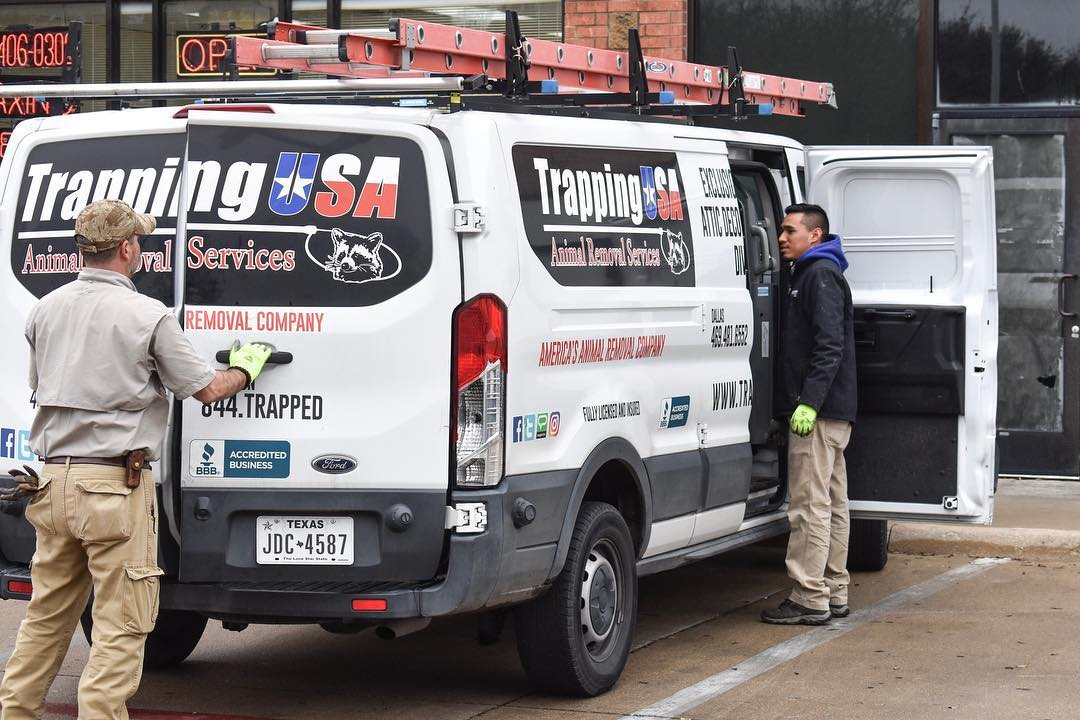
Spring And Summer Create Strong Nesting Pressure
Spring and summer are common seasons for raccoon activity around homes because food sources increase and nesting needs become more urgent. Attics can provide the quiet, elevated, weather-protected environment raccoons seek during this time.
- Warm attic spaces can feel secure for raising young
- Roof gaps may provide easier access than ground-level openings
- Nearby trees can help raccoons reach vulnerable rooflines
- Outdoor food sources may keep raccoons close to the property
- Quiet attic corners allow nesting activity to remain hidden
Raccoons are skilled climbers, so they do not need a ground-level opening. Tree limbs, fences, gutters, and exterior corners may give them access to upper sections of the structure. Once inside, raccoons may tear insulation, damage ductwork, contaminate surfaces, and create noise during evening or early-morning hours.
Other nuisance animals such as squirrels, bats, birds, opossums, rats, mice, and snakes may also use structural weaknesses, so open access points rarely stay harmless for long.
Attics Offer Shelter, Warmth, And Safety
An attic can meet several raccoon needs at once. It protects them from severe weather, provides insulation for nesting, and reduces exposure to larger predators. During hotter months, shaded attic sections may still offer more protection than exposed outdoor dens, especially when roof gaps allow movement in and out.
Homeowners may notice scratching, thumping, vocal sounds, insulation disturbance, or movement above ceilings. These signs should not be ignored because raccoons can cause both structural damage and sanitation concerns. Droppings, nesting materials, and urine may affect insulation and create lingering odor issues.
When signs begin appearing inside the home, it often means activity has already been present for some time. A trained inspection can determine whether the issue involves an active adult, young raccoons, contaminated materials, or damaged access points. This overview of wildlife removal signs explains why early clues deserve careful attention.
Food Sources Near The Home Keep Raccoons Returning
Raccoons are opportunistic feeders. If a property regularly offers easy meals, they may continue visiting until a nesting opportunity appears. Spring and summer often increase outdoor activity, which can also increase available food sources around yards, patios, trash areas, and pet spaces.
- Unsecured trash cans may attract nighttime feeding
- Pet food left outdoors can create repeat visits
- Fallen fruit or garden produce may encourage activity
- Bird feeders can draw raccoons closer to the structure
- Outdoor cooking areas may hold lingering food residue
Once raccoons begin visiting a property often, they may explore rooflines, vents, crawl spaces, chimneys, and attic openings. That repeated inspection behavior can eventually lead to an intrusion if a weak area is found.
If raccoons have entered, the property may need humane removal, exclusion work, damage repair, and sanitation support to address the full issue rather than only the visible symptoms.
Why Raccoon Control Requires A Complete Property View
Raccoon activity rarely begins with a single problem. It usually involves a combination of access, shelter, food, and timing. A roofline gap may invite entry, but nearby food sources may be the reason raccoons stayed close enough to find it. A quiet attic may support nesting, but missing exclusion repairs can allow the same pattern to happen again.
- Entry points must be located before repairs are planned
- Young raccoons require careful timing during removal
- Contaminated insulation may need professional attention
- Exterior attractants should be reduced for long-term prevention
- Repairs must block established animal pathways properly
Experts evaluate the home, the surrounding yard, and the animal behavior together. That broader view supports humane removal while also reducing conditions that invite future activity.
Yard conditions should also be considered because wildlife pressure often begins outside before it reaches the attic. Practical prevention details can be found in this guide to less attractive yards, which explains how outdoor conditions can influence repeat visits.
Keep Attics Protected Through Warmer Seasons
Raccoons invade attics during spring and summer because homes can offer secure nesting space, easy shelter, and nearby food access during active seasonal movement. Once inside, they can create structural damage, contamination, and ongoing entry risks if the source of the problem is not addressed properly. Professional help brings removal, exclusion, repair awareness, and long-term prevention together. For dependable support with attic wildlife concerns, contact Trapping USA.
