What many homeowners do not realize is that wildlife activity often begins subtly. A small gap, a quiet attic space, or an accessible food source can quietly attract animals without immediate signs. By the time activity becomes noticeable, the animal may have already established a routine or even begun nesting within the structure.
From a professional perspective, wildlife entry is rarely random. It is usually the result of specific conditions that make a property more inviting than its surroundings. Understanding these conditions is the first step toward effective wildlife control and long-term prevention.
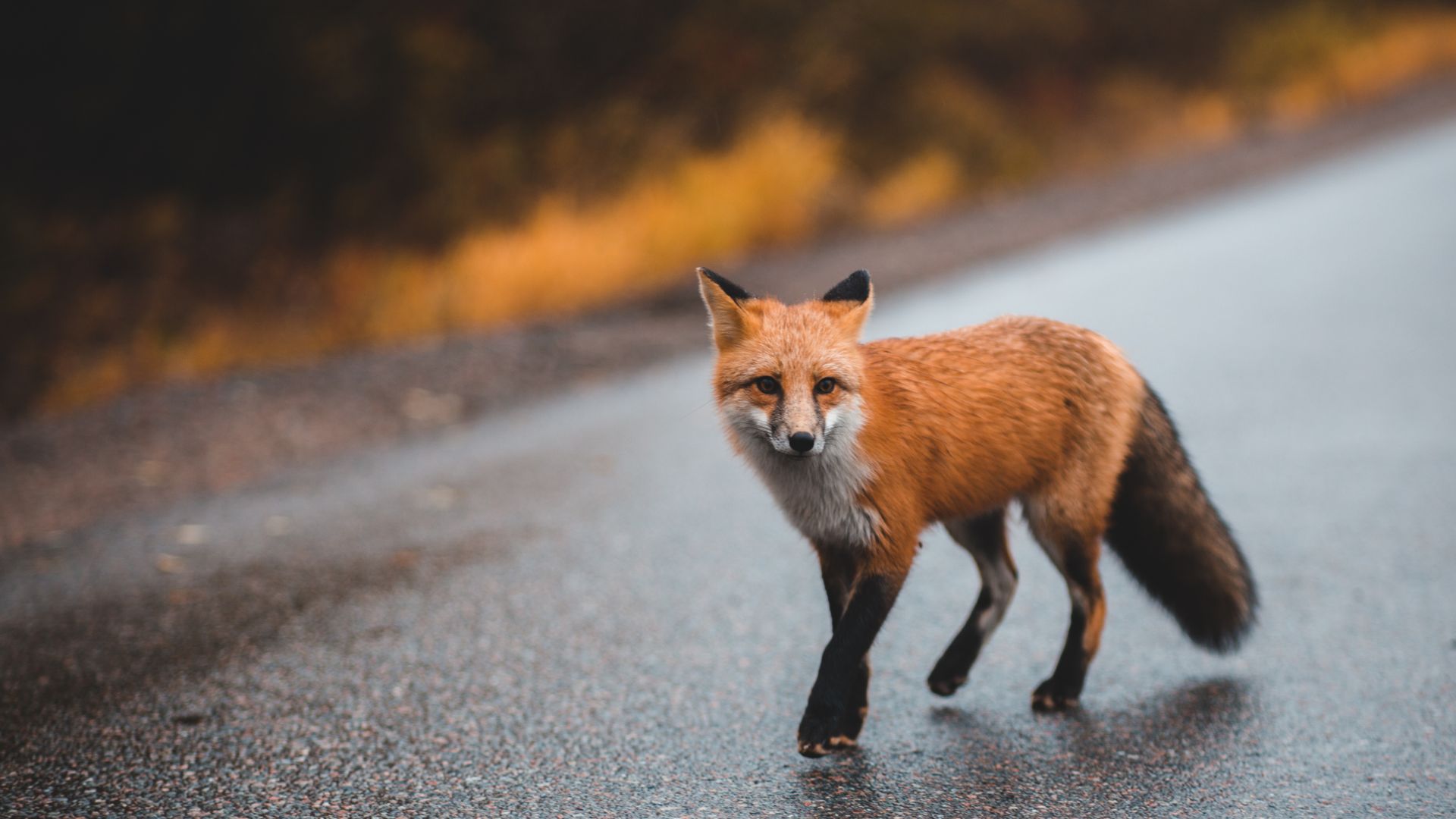
Why Urban Homes Attract Wildlife
Wildlife is driven by basic survival needs. When those needs are easily met in an urban setting, homes can become ideal locations for shelter and nesting. Unlike natural environments where resources can be unpredictable, residential areas often provide consistent access to food, water, and protection.
This consistency is what makes homes especially appealing. Even small, recurring food sources or sheltered spaces can encourage animals to return repeatedly. Over time, this repeated activity increases the likelihood of entry and nesting.
- Consistent food sources. Trash bins, pet food, and outdoor feeding areas can attract animals searching for easy meals.
- Access to water. Irrigation systems, standing water, and outdoor fixtures provide reliable hydration.
- Shelter from weather. Attics, crawl spaces, and wall voids offer protection from temperature changes.
- Reduced natural predators. Urban environments often limit threats, allowing wildlife to settle more comfortably.
These factors create a stable environment that encourages animals to remain in the area. Once wildlife identifies a reliable source of food and shelter, it is likely to return, making early prevention an important part of wildlife control.
Common Entry Points Wildlife Use
Wildlife does not require large openings to enter a home. Many animals are highly adaptable and can squeeze through surprisingly small gaps. These entry points are often located in areas that are not part of regular inspections, which allows them to go unnoticed for long periods.
Homes naturally develop small vulnerabilities over time. Weather exposure, material aging, and minor structural shifts can create openings that wildlife can exploit. Even well-maintained properties can have hidden access points that are difficult to detect without a trained eye.
- Roofline gaps and vents. Openings near the roof provide direct access to attic spaces.
- Damaged soffits and fascia. Worn or broken materials can create entry points.
- Crawl space openings. Ground-level gaps allow animals to move beneath the home.
- Utility penetrations. Areas around pipes and cables can serve as hidden access routes.
As discussed in our resource on wildlife nesting signs, these entry points often go unnoticed until activity becomes more visible. Scratching sounds, droppings, or insulation disturbance may be the first indicators that an animal has already entered.
Identifying and addressing these areas is a key part of effective wildlife control, as it helps prevent repeated access and reduces the likelihood of long-term infestation.
Environmental Factors That Encourage Activity
Beyond entry points, the surrounding environment plays a major role in attracting wildlife. The condition of the yard and nearby areas can either discourage or encourage animal presence.
Urban landscapes often include features that unintentionally support wildlife. Dense vegetation, shaded areas, and cluttered spaces provide excellent cover for animals looking to stay hidden. These conditions make it easier for wildlife to approach a home without being detected.
- Dense landscaping. Overgrown shrubs and trees provide cover and hiding spaces.
- Cluttered outdoor areas. Stored materials and debris can create nesting opportunities.
- Accessible garbage storage. Unsecured bins offer a consistent food supply.
- Nearby natural habitats. Parks, wooded areas, and water sources can increase activity in surrounding neighborhoods.
These environmental factors often develop gradually, making them easy to overlook. However, they significantly influence how wildlife interacts with urban spaces and how frequently animals return to the same property.
For a closer look at reducing these attractants, our blog post on yard wildlife prevention tips explains how small adjustments can make a noticeable difference over time.
How Wildlife Behavior Adapts to Urban Living
Wildlife in urban areas tends to behave differently from those in more natural settings. Animals learn to navigate human environments and adjust their habits to take advantage of available resources. This adaptability allows them to thrive in areas where they might not have survived otherwise.
One of the most notable changes is their increased tolerance of human activity. Many animals become less cautious and more persistent when they find reliable sources of food or shelter. This can lead to repeated attempts to access the same property, even after initial deterrents are applied.
In addition, urban wildlife often shifts its activity patterns. Nocturnal behavior becomes more common, allowing animals to move through neighborhoods with minimal disturbance. This makes it harder for homeowners to detect early signs of activity.
Over time, these behavioral adjustments can create ongoing challenges. Animals may return to the same entry points, expand their nesting areas, or attract additional wildlife to the location. This is why wildlife control requires a comprehensive approach that addresses both behavior and environment.
When Wildlife Control Becomes Necessary
There are situations where wildlife activity moves beyond occasional sightings and becomes a more serious concern. Recognizing these signs early helps prevent further damage and reduces the risk of long-term issues.
- Repeated noises in walls or ceilings. Ongoing sounds often indicate nesting or movement within the structure.
- Visible damage to the home. Chewed materials or disturbed areas can signal entry points.
- Frequent sightings around the property. Regular activity suggests that animals have established themselves nearby.
- Difficulty identifying the source. Hidden nesting areas may require a more detailed evaluation.
At this stage, wildlife control becomes essential for addressing both the immediate issue and the conditions that allowed it to develop. A structured approach helps ensure that entry points are identified, attractants are reduced, and long-term prevention is achieved.
Creating a More Secure Living Environment
Wildlife activity in urban homes is often the result of conditions that can be identified and managed with the right approach. When these conditions are addressed thoughtfully, the risk of recurring issues becomes much easier to control.
If wildlife continues to find its way into your property, connecting with Trapping USA can help you explore solutions designed for safe and effective wildlife control.
