Once raccoons discover accessible garbage, they tend to return repeatedly. Overturned bins, scattered trash, and strong odors can quickly become a frustrating problem for homeowners. In addition to the mess, raccoons may carry bacteria and parasites that create sanitation concerns.
Preventing raccoons from accessing garbage is one of the most effective ways to discourage them from staying near a property. A combination of secure storage practices and wildlife control strategies helps reduce the chances of repeated visits.
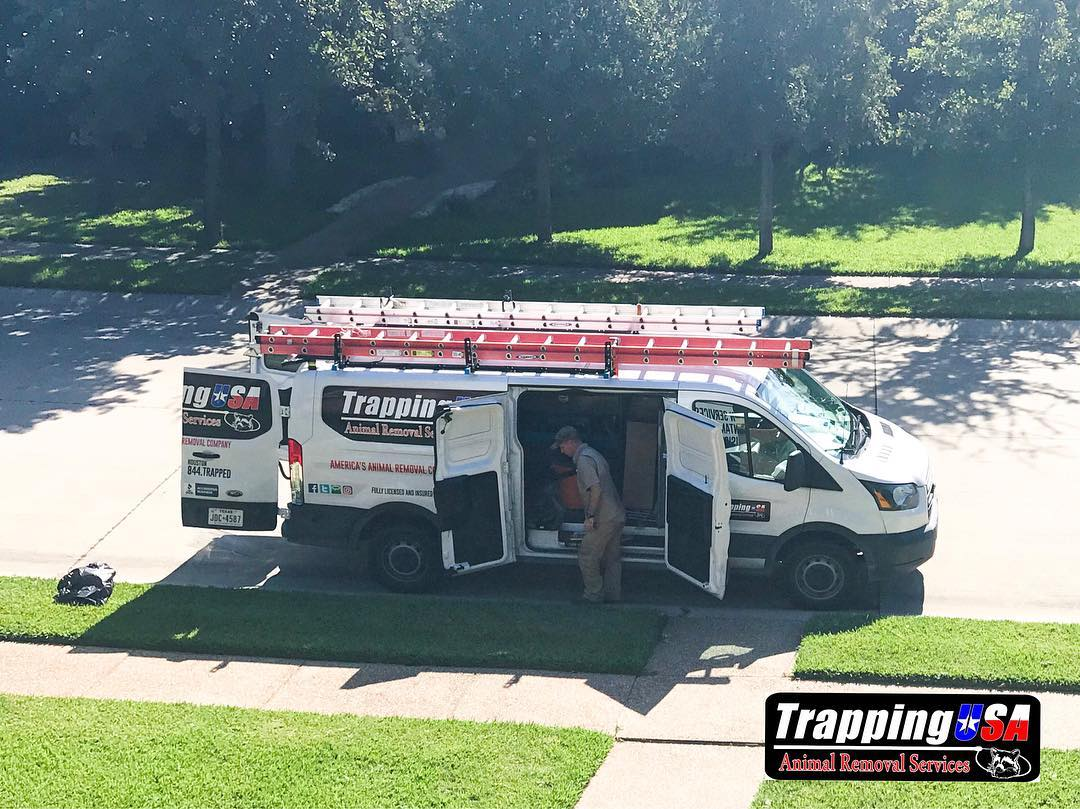
Why Raccoons Are Attracted To Trash Cans
Raccoons are opportunistic feeders. Their strong sense of smell allows them to detect food scraps from considerable distances, and unsecured trash cans provide a convenient meal.
Household garbage often contains many items that attract raccoons.
- Food leftovers such as meat, fruit, and vegetables
- Grease residue from cooking containers
- Pet food or discarded animal feed
- Sweet beverages and food packaging
- Compostable materials mixed with regular trash
When raccoons locate these items in an accessible container, they may begin visiting the property regularly. Their dexterity allows them to open loose lids and tip over lightweight bins with ease.
Once raccoons develop a routine of searching trash cans, the behavior can continue throughout the season. Preventing this pattern early helps reduce the need for later raccoon removal efforts.
Secure Trash Containers To Prevent Access
One of the most effective strategies for discouraging raccoons is to secure garbage containers so animals cannot open them. Because raccoons are skilled problem solvers, standard lids alone may not be enough.
Homeowners often reduce raccoon activity by using containers designed to prevent wildlife access.
Helpful steps for securing trash cans include:
- Using bins with locking lids or animal-resistant latches
- Placing heavy objects on top of lids to prevent animals from opening them
- Choosing durable containers that cannot be easily tipped over
- Using bungee cords or locking straps to secure the lid
- Keeping containers upright and stable on flat ground
Even simple improvements to trash storage can significantly reduce nighttime disturbances. When raccoons cannot easily reach food inside the bin, they are more likely to move on to other locations.
Professional wildlife control experts often recommend these protective measures as the first line of defense against wildlife activity.
Reduce Food Odors That Attract Wildlife
Strong odors coming from trash cans can draw raccoons toward a property even if the containers are sealed. Managing these smells helps make garbage less appealing to wildlife.
Several practices can help limit food odors around trash areas.
- Rinse food containers before placing them in the garbage
- Store food scraps in sealed bags before disposal
- Clean trash cans regularly to remove residue buildup
- Use tightly sealed compost containers when applicable
- Avoid leaving pet food or outdoor feeding bowls near trash areas
Odor control becomes particularly important during warmer months when decomposition occurs more quickly. Reducing scent trails helps prevent raccoons from locating garbage bins in the first place.
Consistent sanitation practices also make it easier to identify wildlife activity early if raccoons continue to visit the property.
Position Trash Cans In Protected Locations
Where trash cans are stored can influence how easily raccoons access them. Containers left in open areas provide animals with easy entry and escape routes.
Strategic placement of trash bins can discourage wildlife from approaching.
Consider the following placement strategies:
- Store trash cans inside garages or enclosed sheds when possible
- Keep containers away from fences or trees that raccoons can climb
- Place bins close to the home rather than along property edges
- Use well-lit areas where animals are less comfortable approaching
- Move trash cans to the curb only on collection day
These adjustments help reduce opportunities for raccoons to investigate garbage bins undisturbed.
Seasonal changes may also influence raccoon behavior. During colder months, animals often search more aggressively for food sources. Discussions about winter raccoon activity highlight how seasonal conditions may increase wildlife encounters around residential properties.
Understanding these patterns helps homeowners stay ahead of potential problems.
When Ongoing Raccoon Activity Requires Professional Help
In some situations, raccoons may continue visiting trash cans even after preventive measures are taken. This often occurs when animals have already established a nearby nesting site.
Raccoons frequently shelter in attics, crawl spaces, chimneys, or nearby wooded areas. If they live close to the property, they may repeatedly return to accessible food sources.
Signs that professional raccoon removal may be necessary include:
- Trash cans being opened repeatedly despite secure lids
- Visible raccoon activity around the home at night
- Damage to roof vents, soffits, or crawl space openings
- Evidence of nesting in attics or outbuildings
- Persistent wildlife noises near the home
Wildlife specialists are trained to identify nesting areas and safely remove animals while preventing future access.
Resources explaining wildlife removal warning signs describe how recurring wildlife activity may indicate a larger infestation that requires professional attention.
Addressing the underlying cause ensures that raccoons do not continue returning to the property.
Keep Your Property Protected From Persistent Raccoons
Raccoons can create ongoing problems when trash containers provide an easy food source. Securing bins, reducing odors, and storing garbage properly can significantly reduce wildlife activity around your home.
If raccoons continue to return despite these preventive measures, professional raccoon removal may be necessary to resolve the issue safely.
For expert assistance with wildlife control and humane removal services, contact Trapping USA to help protect your property from unwanted raccoon activity.
