Dead animal removal requires more than simply locating and extracting remains. In a Dallas attic environment where heat accelerates decomposition, proper containment, sanitation, and prevention measures are essential. Without professional oversight, contamination can linger in insulation, wood framing, and ventilation systems long after the source is gone.
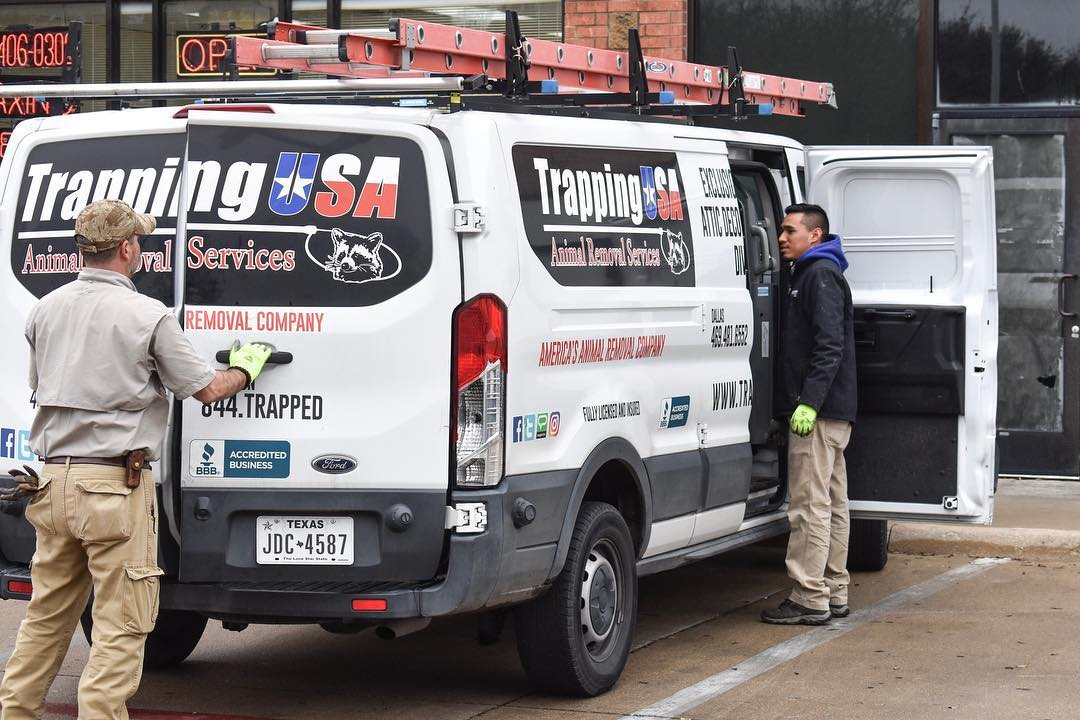
Why Dead Animals in Attics Create Serious Health Risks
Attics are enclosed spaces that trap heat and restrict airflow. When an animal such as a rat, mouse, or nuisance wildlife species dies in that environment, decomposition begins rapidly. The process releases strong odors and potentially harmful pathogens.
Common health hazards associated with delayed dead animal removal include:
- Bacterial contamination from decomposing tissue
- Airborne pathogens that circulate through HVAC systems
- Parasites such as fleas or mites seeking new hosts
- Mold growth triggered by fluids absorbed into insulation
- Respiratory irritation caused by lingering odor compounds
Rodents are among the most frequent attic intruders in Dallas. Rats and mice often access homes through small roofline gaps, vents, or soffits. When these animals become trapped or poisoned improperly, they may die in concealed areas that are difficult to access.
Wildlife such as raccoons, squirrels, and other nuisance animals can also enter attic spaces. If one becomes injured or trapped, the resulting decomposition presents similar contamination risks. Professional assessment ensures that the removal process addresses both the immediate hazard and any secondary infestations.
Homeowners who notice unusual odors or scratching sounds may benefit from reviewing these insights on professional wildlife removal to better understand early warning signs.
The Structural Damage You May Not See
Beyond health concerns, dead animal removal in Dallas attics involves addressing hidden structural damage. Decomposition fluids can soak into insulation, drywall, and wooden beams. In hot weather, these fluids spread quickly, increasing the affected area.
Unchecked contamination can lead to:
- Stained ceilings or sagging drywall
- Insulation that retains odor and moisture
- Compromised wood framing due to prolonged dampness
- Attraction of secondary pests drawn to decomposition
Rodents and wildlife rarely enter attics without leaving evidence. Chewed wiring, disturbed insulation, and nesting materials are common indicators. When an animal dies in this environment, those preexisting vulnerabilities can worsen.
Electrical wiring damage caused by rats and mice also increases fire risk. Professional evaluation ensures that hazards are identified and documented before repairs begin. Simply removing the carcass without assessing structural integrity leaves significant risks unresolved.
The Hidden Parasite Problem
When a rat, mouse, raccoon, or squirrel dies in an attic, it is rarely alone. Fleas, ticks, and mites often rely on the host animal for survival. Once that host dies, parasites actively search for a new source of blood.
This secondary issue is one of the most overlooked hazards of dead animal removal. Parasites can migrate from attic spaces into living areas through small cracks or ventilation pathways. Homeowners may begin experiencing bites without realizing the source originated above the ceiling.
Professional handling typically includes:
- Identification of parasite presence
- Targeted treatment to prevent spread
- Safe disposal of contaminated materials
- Sanitization of affected surfaces
In Dallas homes, high temperatures accelerate parasite activity. A delayed response increases the likelihood of migration into bedrooms and common areas. Proper containment protects both residents and pets from unnecessary exposure.
Why Improper Removal Can Worsen the Situation
Dead animal removal is not simply a retrieval task. Attempting removal without proper equipment and containment can spread contamination rather than eliminate it. Disturbing remains without protective gear increases the risk of direct exposure to bacteria and airborne particles.
Improper methods may also:
- Tear insulation, spreading fluids further
- Leave behind tissue fragments that continue to decompose
- Fail to identify additional entry points
- Attract scavenger pests seeking food sources
In high-traffic homes, where children and pets move freely between floors, incomplete sanitation can allow odor and pathogens to circulate for weeks. This is one reason many property owners review information on DIY pest removal risks before attempting to handle complex attic issues themselves.
Professional technicians use protective equipment, containment protocols, and sanitation treatments designed specifically for enclosed spaces. They also inspect for ongoing rodent or wildlife activity to ensure the problem does not repeat.
Prevention Strategies for Dallas Attic Protection
The final step in effective dead animal removal is prevention. In Dallas, attic access points are often found along rooflines, gable vents, and soffits. Rodents such as rats and mice can squeeze through surprisingly small openings, while larger wildlife may displace vent screens or fascia boards.
Comprehensive prevention measures include:
- Sealing structural gaps and cracks
- Reinforcing vent covers and roofline barriers
- Removing nesting materials
- Replacing contaminated insulation
- Monitoring for renewed activity
Attic spaces should also be inspected periodically for signs of scratching, droppings, or insulation disturbance. Early detection reduces the likelihood of an animal becoming trapped or dying inside the structure.
Because wildlife and rodent behavior vary seasonally, ongoing monitoring provides an added layer of protection. Dallas homes benefit from structured inspection programs that address both entry prevention and sanitation.
Dead animal removal is not an isolated service. It is part of a broader wildlife and rodent management strategy that protects indoor air quality, structural integrity, and long-term safety.
Restore Clean Air and Peace of Mind
If you suspect a decomposing animal in your attic, professional intervention is the safest course of action. Contact Trapping USA to ensure thorough dead animal removal and complete attic restoration handled with care and precision.
