Wildlife activity in an attic or crawlspace can begin with faint scratching, a small roofline gap, or a few droppings near insulation. The concern is not only noise or odor. In Dallas homes, animals can create fire hazards when they chew wiring, disturb insulation, build nests near heat sources, or damage materials that protect electrical and mechanical systems.
Professional wildlife control helps homeowners understand what is active, how the animal entered, and what risks are developing in hidden areas. Rats, mice, squirrels, raccoons, bats, opossums, skunks, armadillos, snakes, birds, and other listed wildlife concerns can affect homes in different ways. An inspection-based plan helps reduce the hazard before a hidden problem becomes a more expensive repair.
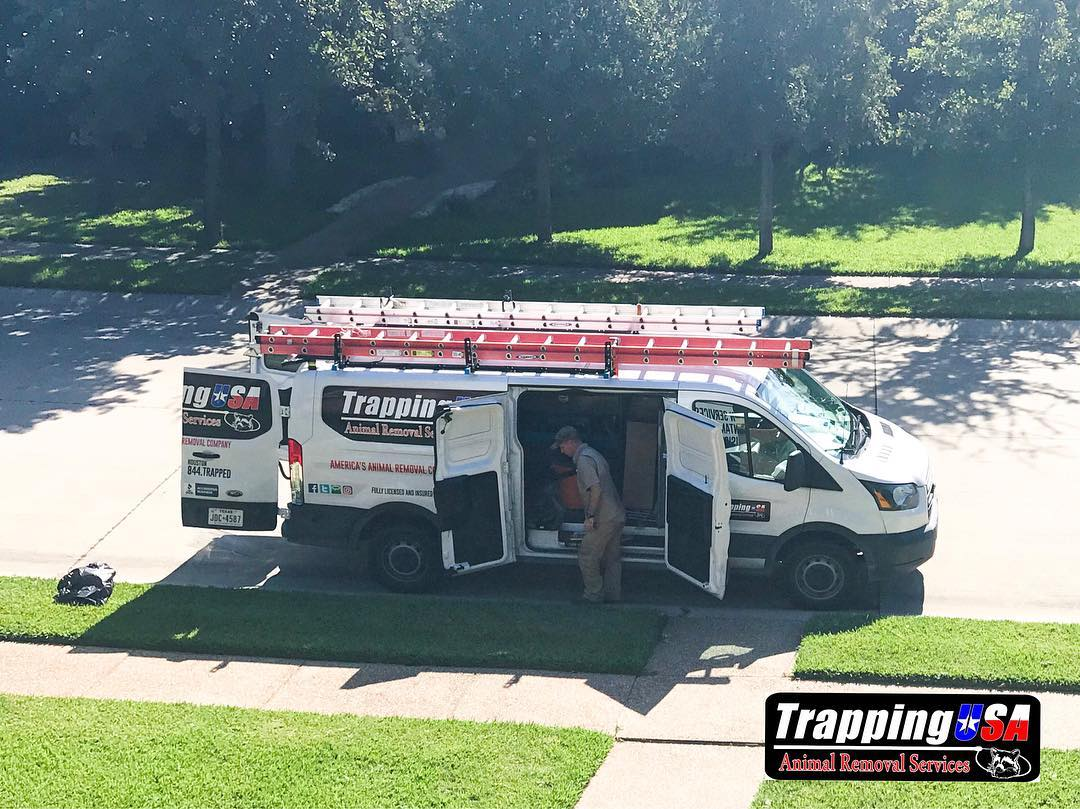
Chewed Wiring Is A Serious Warning Sign
Rodents and some wildlife chew constantly because their teeth continue growing. In attics and crawlspaces, that behavior can expose wiring, damage insulation around electrical lines, and create conditions that should be evaluated quickly. A homeowner may never see the damaged wire until an inspection, renovation, or electrical issue brings it to light.
Warning signs may include:
- Scratching, chewing, or movement sounds above ceilings or below floors
- Droppings, nesting material, or trails near wires, ducts, or insulation
- Gnawed wood, plastic, flexible lines, or stored materials
- Flickering lights, intermittent electrical issues, or unexplained odors
- Entry gaps near roof edges, vents, soffits, crawlspace doors, or utility openings
A guide on rats and wiring explains why chewing behavior should not be treated as a minor nuisance. When wiring is involved, the wildlife issue becomes a safety and repair concern.
Nests And Insulation Can Raise Fire Risk
Attics and crawlspaces often contain materials that animals can shred, move, or soil. Insulation may be pulled into nesting areas. Paper, leaves, fabric, dryer lint, and stored debris may be gathered into protected corners. These materials can sit near wiring, recessed lighting areas, HVAC components, exhaust lines, or other equipment that should remain clear.
Wildlife may also compress insulation, reducing its effectiveness and changing airflow. Soiled insulation can hold odor and contamination, while displaced materials can hide damaged wiring or entry routes. A raccoon nest, squirrel nest, bird nesting material, or rodent runway can create a larger problem than the first scratching sound suggests.
Professional inspection helps determine whether the attic or crawlspace needs removal, exclusion, cleanup, sanitation, repair recommendations, or follow-up. The goal is to remove the animal concern while also identifying conditions that may continue affecting the home.
Dallas Homes Offer Hidden Access Points
Many wildlife issues begin outside, then move into the structure through small or damaged openings. Dallas weather, mature trees, roofline wear, foundation gaps, and busy neighborhoods can all create opportunities for animals to approach homes. Once inside, a quiet attic or crawlspace offers shelter, warmth, and protection.
Common access areas include:
- Roof returns, soffits, fascia gaps, vents, chimneys, and loose flashing
- Crawlspace doors, foundation openings, utility penetrations, and weep gaps
- Garage edges, siding gaps, attic fans, exhaust vents, and roof intersections
- Tree limbs, fences, ledges, and exterior features that help animals reach openings
- Damaged screens, bird entry points, and gaps near ducts or mechanical lines
The animal matters because removal and exclusion needs vary. Mice and rats do not create the same access pattern as raccoons, bats, squirrels, opossums, skunks, armadillos, snakes, or birds. A professional inspection helps identify the species and the entry route before work begins.
Professional Removal Protects The Structure
Wildlife removal should be handled as a structure-protection process, not only an animal-removal task. The technician must consider the animal, the location, safety concerns, nesting, possible young, entry points, cleanup needs, and the repairs required to prevent repeat entry.
A professional plan may include:
- Inspecting attics, crawlspaces, rooflines, vents, foundations, and exterior gaps
- Identifying whether rodents, squirrels, raccoons, bats, opossums, skunks, armadillos, snakes, or birds are involved
- Using humane removal, trapping, relocation, or exclusion methods as appropriate
- Recommending cleanup, sanitation, insulation attention, or repair work after removal
- Confirming that entry points are addressed so another animal does not return
If a homeowner notices noises, droppings, odors, damaged vents, or nesting material, professional help can clarify the risk level. A resource on wildlife removal signs shows why early evidence should be checked before damage spreads.
Fire hazards are one of the strongest reasons not to wait. Wildlife activity can stay hidden until wiring, insulation, ductwork, or structural materials are already affected. Attics and crawlspaces are difficult to monitor during daily life, which is why inspection, documentation, removal, exclusion, and follow-up are so important. Professional wildlife control gives homeowners a safer way to resolve the animal issue and protect the systems hidden above and below the living space.
Protect Hidden Spaces Before Damage Spreads
Wildlife in an attic or crawlspace should be taken seriously when chewing, nesting, insulation damage, or entry gaps are present. For professional help with rats, mice, squirrels, raccoons, bats, opossums, skunks, armadillos, snakes, birds, humane trapping, removal, exclusion, cleanup guidance, and long-term prevention, contact Trapping USA.
