In a city as active and densely populated as Dallas, hotels face ongoing pressure from rodents, insects, and nuisance wildlife. These issues rarely announce themselves loudly at first. Instead, they develop quietly in kitchens, storage rooms, mechanical spaces, and landscaped exteriors. Left unmanaged, even minor pest activity can quickly undermine guest confidence and operational stability.
Why Pest Prevention Is Non-Negotiable in Dallas Hospitality
Dallas offers a favorable climate for many common pests. Warm temperatures and urban development create ideal conditions for rats, mice, cockroaches, ants, bed bugs, mosquitoes, spiders, and occasional wildlife intrusions. For hotels that operate year-round with high guest turnover, the risk multiplies.
Professional commercial pest control helps hotels:
- Reduce health risks associated with rodent droppings, insect contamination, and disease transmission
- Protect food service areas from cockroach and ant activity
- Prevent structural damage caused by rodents and nesting wildlife
- Maintain compliance with local health and safety regulations
- Safeguard online reviews and brand credibility
Rodents, in particular, present a serious concern in metropolitan areas. Rats and mice can squeeze through small structural gaps, nest in insulation, and chew through wiring. In a hospitality setting, this is more than a maintenance issue. It is a direct safety concern.
Likewise, bed bugs and cockroaches can spread rapidly in environments with frequent luggage movement and shared spaces. Hotels must rely on trained professionals who understand pest behavior patterns, entry points, and breeding cycles to address these risks effectively.
The Pests That Threaten Dallas Hotels
Hotels in Dallas commonly encounter a range of pests that require specialized knowledge and targeted strategies. A professional commercial pest control program focuses on the following threats:
- Rats and mice that infiltrate storage rooms, kitchens, and exterior perimeters
- Cockroaches that thrive in warm, humid service areas
- Ants that enter through foundation cracks and door gaps
- Bed bugs that travel via luggage and upholstered furnishings
- Mosquitoes that breed in landscaped areas and standing water
- Spiders that settle in undisturbed corners and utility spaces
- Nuisance wildlife that access rooftops, vents, or loading docks
Each of these pests demands a different approach. Rodent control requires sealing entry points and strategic monitoring. Bed bug management involves thorough inspection and room-specific treatment. Wildlife removal calls for humane exclusion methods and structural reinforcement.
Attempting to manage these issues internally often leads to incomplete solutions. Professional oversight ensures that root causes are identified and corrected rather than temporarily masked. For a deeper understanding of how to detect early activity before it spreads, hotel managers can review these insights on early pest warning signs, which outline subtle indicators that are easy to overlook.
Inspection Protocols That Protect Guests and Staff
A proactive commercial pest control strategy begins with structured inspections. In Dallas hotels, inspections focus on high-risk zones where pests are most likely to gain access or establish nesting areas.
Key inspection areas include:
- Kitchen and food preparation spaces
- Laundry facilities and linen storage
- Utility rooms and mechanical closets
- Exterior perimeters and landscaping
- Guest rooms, especially after reports of bites or sightings
- Rooflines, vents, and drainage systems
Professional technicians assess structural vulnerabilities such as door sweeps, wall penetrations, and foundation cracks. They also evaluate sanitation practices and moisture levels, both of which strongly influence pest activity.
Rodent monitoring devices and discreet traps are placed strategically to track movement without disrupting guest experience. This level of oversight allows hotels to maintain safety without creating alarm. Because rodents remain one of the most persistent threats in commercial properties, understanding the importance of professional rodent removal can help hospitality managers appreciate why comprehensive exclusion and monitoring are critical.
The objective is not simply to react to complaints but to maintain continuous vigilance. Consistent monitoring reduces the likelihood of visible infestations and keeps operations running smoothly.
Protecting Reputation Through Discreet Response
In hospitality, perception is everything. A single pest sighting shared online can affect occupancy rates. Commercial pest control professionals understand the importance of discretion and efficiency when servicing hotels.
Effective programs emphasize:
- Quiet scheduling that minimizes guest disruption
- Unmarked service approaches when necessary
- Targeted treatments that avoid unnecessary chemical exposure
- Clear documentation for management records
- Ongoing communication with facility managers
Bed bug concerns must be handled swiftly and thoroughly. Professional teams conduct detailed room inspections, isolate affected areas, and implement treatment protocols that prioritize guest safety. Follow-up inspections confirm resolution.
Rodent and wildlife issues require equal urgency. Rather than relying on temporary fixes, hotels benefit from structured intervention that addresses access points, nesting conditions, and environmental attractants.
Long-Term Risk Reduction for Dallas Hotels
Sustainable pest management extends beyond immediate treatment. Dallas hotels that invest in comprehensive commercial pest control benefit from structured prevention plans designed to reduce long-term risk.
These plans typically include:
- Regularly scheduled inspections and monitoring
- Seasonal adjustments to address mosquito or rodent activity
- Structural exclusion work to block wildlife entry
- Sanitation recommendations tailored to hospitality operations
- Staff education on reporting protocols and early detection
Mosquito control around outdoor amenities is especially important in warmer months. Standing water management and habitat reduction help protect guests enjoying patios, pools, and event spaces.
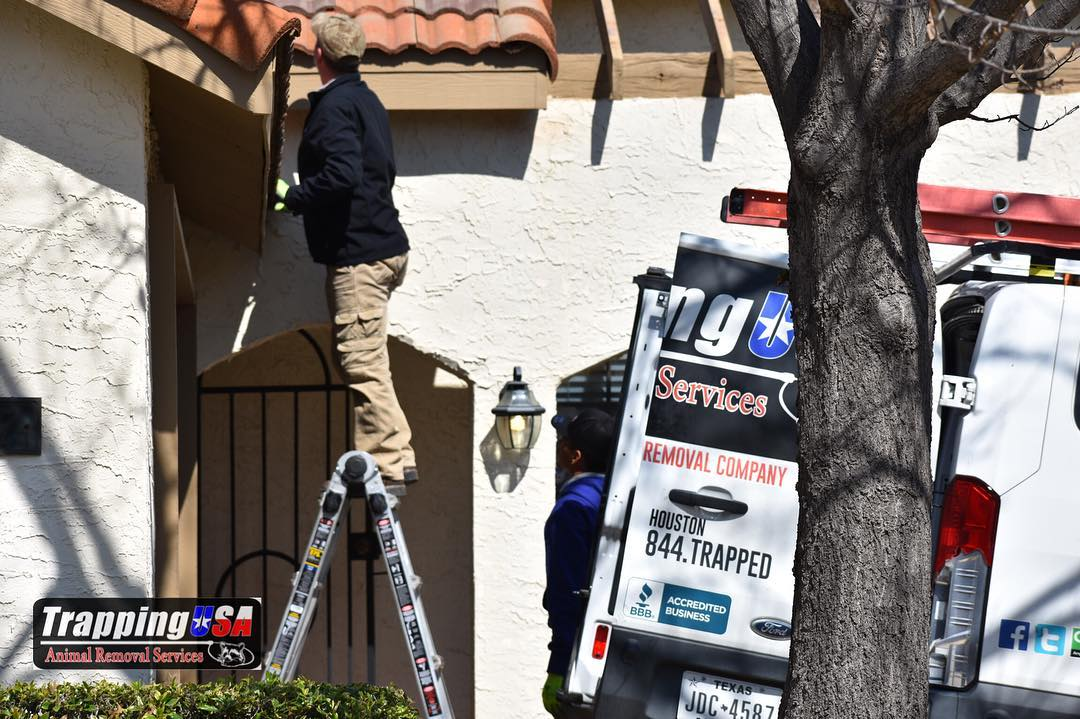
Wildlife prevention also plays a role in maintaining safety. Roof-level inspections and secure vent screening reduce the risk of animals entering attics or storage areas. Without proper exclusion measures, wildlife activity can cause insulation damage and contamination.
Ultimately, the goal is stability. Hotels operate best when safety systems are predictable and reliable. Commercial pest control programs provide measurable oversight, documented compliance, and consistent prevention.
Where Guest Safety Meets Expertise
Guest safety should never be left to chance. For expert commercial pest control tailored to Dallas hospitality environments, contact Trapping USA and strengthen your property’s protection today.
