Dallas-area storms can change a property in minutes. High winds may loosen shingles, bend vents, pull flashing away from rooflines, and drop branches onto structures. Heavy rain can flood burrows, wash away outdoor shelter, and push animals toward higher, drier spaces. Once the weather clears, homeowners may hear scratching in an attic, notice droppings in a garage, or discover damage near an eave.
Professional wildlife removal looks at more than the animal itself. Technicians inspect storm-related damage, identify the species, locate active entry routes, and determine whether young animals, contamination, or structural repairs are involved. This complete approach helps restore the home while reducing the chance of repeat entry.
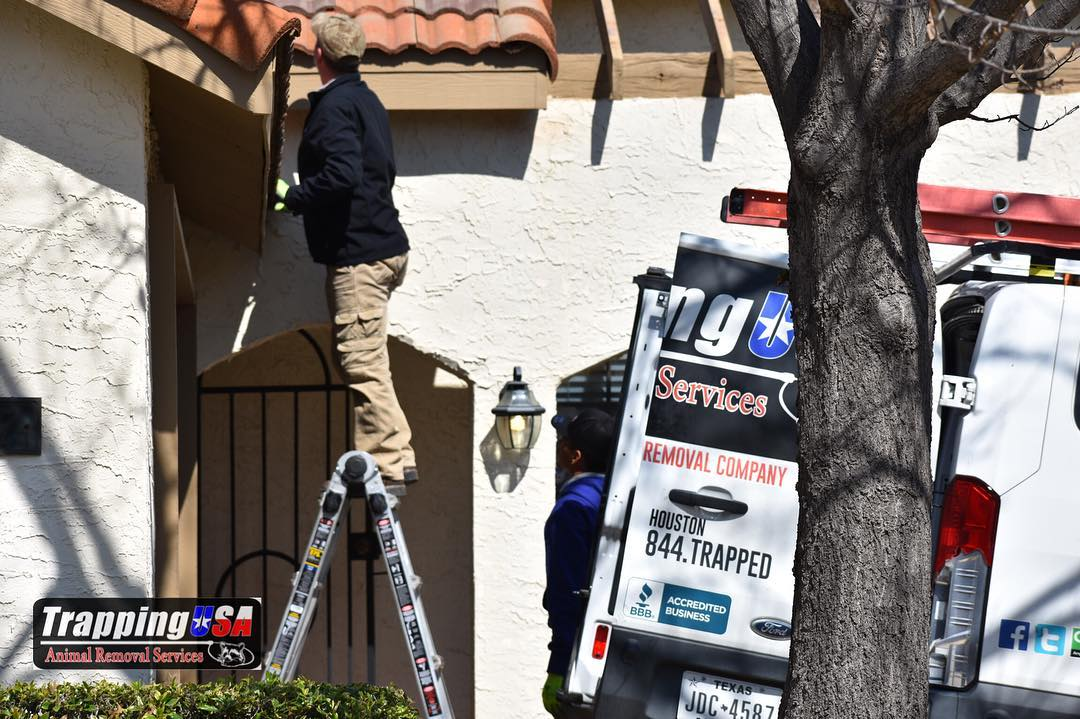
Storm Damage Creates New Openings
Wildlife can take advantage of surprisingly small gaps, especially when wind or falling debris weakens an already vulnerable area. Rats, mice, squirrels, raccoons, bats, birds, opossums, and snakes may explore damaged roof edges, vents, soffits, chimneys, garages, or crawl-space openings after a storm.
Common storm-related access points include:
- Missing shingles, lifted flashing, and damaged fascia boards
- Bent attic vents, torn screens, and loosened roof caps
- Openings where branches strike siding, eaves, or gutters
- Garage-door gaps widened by debris or water movement
- Foundation and crawl-space openings exposed by erosion
A visual check from the ground may reveal obvious damage, but many entry points remain hidden along upper rooflines or behind trim. Trained technicians evaluate the full structure before deciding where exclusion work belongs.
Flooded Shelter Pushes Wildlife Toward Homes
Stormwater can displace wildlife from nests, dens, drainage areas, tree cavities, and underground burrows. Animals searching for immediate shelter may move into attics, wall voids, decks, sheds, chimneys, or garages where they find warmth and protection.
The need for removal and restoration becomes clearer after severe weather because intrusion and property damage often occur together. A raccoon may tear at a weakened roof edge, squirrels may enter through a storm-damaged soffit, and rodents may follow utility lines into drywall spaces.
Removing the animal without repairing the opening leaves the home vulnerable. Professional service connects humane removal with exclusion, cleanup, and structural recommendations so the storm-created route does not remain available.
Attics And Rooflines Need Careful Inspection
Attics often provide the quiet, elevated shelter displaced animals seek after storms. However, these spaces can contain electrical wiring, air ducts, insulation, roofing nails, unstable surfaces, droppings, and limited visibility. Accurate inspection requires training and appropriate protective equipment.
Technicians may look for:
- Fresh droppings, tracks, nesting material, or food storage
- Chewed wires, damaged ducts, and displaced insulation
- Rub marks or staining around vents and roof openings
- Daytime or nighttime movement linked to specific species
- Evidence that young animals remain in a nest
Species identification matters because removal timing and technique differ. Bats, birds, squirrels, raccoons, rodents, and other wildlife do not use structures in the same way. A controlled plan prevents premature sealing that could trap animals inside.
Fast Response Limits Secondary Damage
Wildlife problems can worsen after business hours or during the days following a major storm. Animals may enlarge openings, damage insulation, chew materials, leave waste, or become trapped in inaccessible spaces. Odors and contamination can also increase when activity continues unnoticed.
The value of round-the-clock response applies to homes as well as commercial properties. Prompt inspection helps determine whether an animal is currently inside, whether the opening remains active, and which areas need immediate protection.
A professional response may include:
- Confirming the animal and its travel route
- Using humane trapping or exclusion methods
- Protecting damaged openings from immediate reuse
- Removing contaminated nesting material when appropriate
- Planning follow-up repairs and long-term monitoring
Fast action does not mean rushed work. The safest response is methodical, species-specific, and coordinated with the condition of the building.
Long-Term Protection Requires More Than Removal
Storm recovery is incomplete if the animal is gone but roof damage, vent gaps, contamination, or weakened materials remain. Long-term wildlife removal combines inspection, humane capture or exclusion, entry-point repair, sanitation guidance, attic restoration, and follow-up.
Technicians may recommend reinforcing vents, repairing soffits, securing roof transitions, trimming storm-damaged branches, or correcting gaps around utilities. They can also document chewed wiring, damaged insulation, droppings, odors, and other conditions that may require restoration.
Dallas homes remain exposed to future storms, so exclusion materials must fit the location and likely animal pressure. A temporary cover may not withstand wind or determined wildlife. Professional repairs help restore the building envelope and keep previously used routes closed. Follow-up visits can confirm that repairs remain secure and that wildlife has not shifted to another weak area nearby.
Storms do not create every wildlife problem, but they can expose weak points and force animals to relocate quickly. Careful inspection after severe weather provides the clearest path from an unexpected intrusion to durable protection.
Close The Storm-Created Openings
Contact Trapping USA for professional inspection, humane wildlife removal, exclusion, cleanup, attic restoration, and long-term protection for your Dallas-area home.
