Retail spaces in Dallas face constant movement from customers, employees, vendors, deliveries, and maintenance crews. Doors open throughout the day, inventory moves in and out, and loading areas create repeated opportunities for rats and mice to approach the building.
Rodents often remain hidden until activity becomes established. They may travel behind walls, above ceilings, beneath shelving, through storage rooms, or along utility lines without crossing an open sales floor. Routine rodent control monitoring helps identify early warning signs, track movement, and reduce the chance that a concealed problem reaches customers or disrupts daily operations.
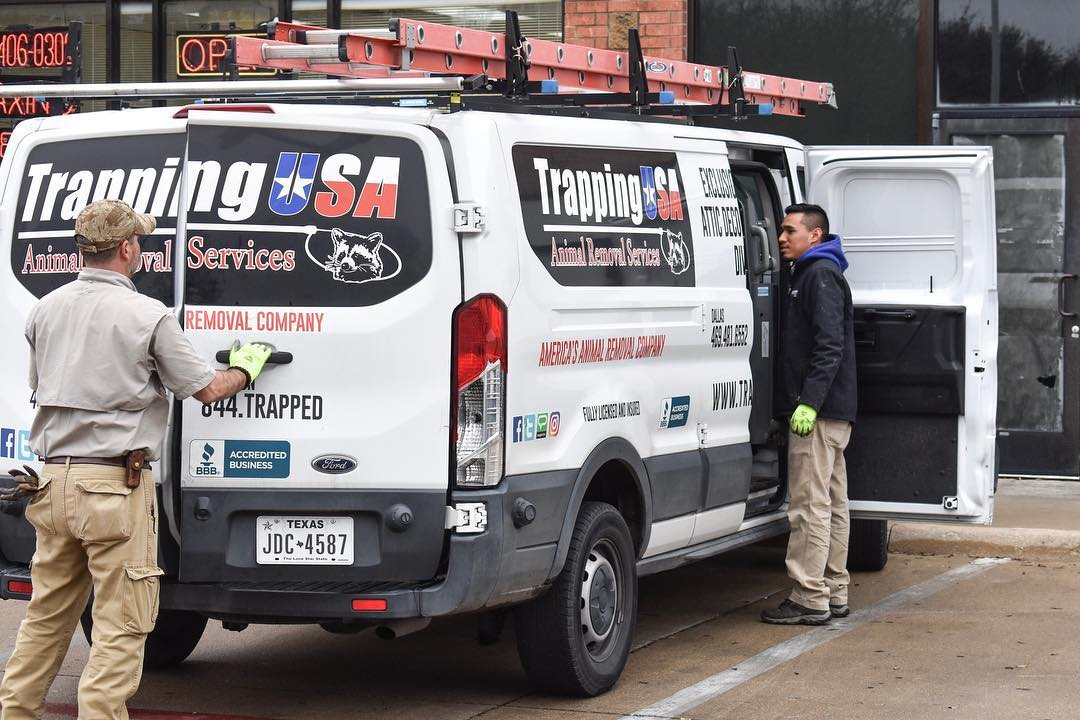
Retail Properties Give Rodents Multiple Places to Hide
A retail building can offer food, water, shelter, and quiet spaces even when the customer-facing areas appear clean. Storage rooms, stock areas, dumpsters, utility spaces, rooflines, loading docks, and exterior landscaping can all create conditions that support rodent activity.
Routine inspections may uncover:
- Droppings near walls, shelving, appliances, or stored inventory.
- Gnaw marks on packaging, wood, insulation, or structural materials.
- Greasy rub marks along repeated travel routes.
- Shredded paper, fabric, cardboard, insulation, or other nesting material.
- Gaps around doors, vents, utility lines, foundations, or roof edges.
These signs matter because rats and mice usually avoid exposed spaces when they have safer, concealed routes available. A single sighting may represent only a small part of the actual activity.
Commercial Inspections Help Catch Activity Earlier
Waiting for a rodent to appear in front of customers can leave a business reacting after the problem has already become visible. Routine monitoring gives managers a better chance to detect activity in less obvious areas first.
This is why regular commercial pest inspections are valuable for Dallas businesses. Structured inspections can identify droppings, nesting material, entry gaps, food sources, and changing activity before a minor issue becomes more disruptive.
Retail environments change constantly. Deliveries introduce new materials, weather shifts alter outdoor shelter, landscaping grows, seals wear down, and construction nearby can disturb rodent populations. A monitoring plan can adjust to those changes instead of treating every incident as an isolated event.
Rodents Can Damage Wiring, Inventory, and Building Materials
Rats and mice gnaw because their teeth continue growing. That behavior can damage packaging, insulation, wood, plastic, and electrical wiring, creating concerns that extend beyond sanitation.
Important risks include:
- Chewed wiring near walls, ceilings, stockrooms, or utility areas.
- Contaminated inventory from droppings, urine, or nesting debris.
- Damaged packaging that makes products unsuitable for sale.
- Gnawed insulation or structural materials in hidden spaces.
- Repeated entry through gaps that remain unsealed.
Electrical damage deserves special attention because it may stay hidden until a circuit fails or another problem appears. This guide to rodent wiring damage explains why professional evaluation matters when rats are active near electrical systems.
Routine rodent control helps connect damage with movement patterns and entry routes, making the response more precise.
Monitoring Protects Customer Areas and Business Operations
A retail business depends on customer confidence. One rodent sighting near a checkout line, fitting room, display area, food section, or entrance can quickly affect how people view the property.
Routine monitoring supports early detection by focusing on the places rodents are most likely to use before entering open areas. That may include loading zones, stockrooms, ceiling voids, garages, utility rooms, exterior walls, dumpsters, and landscaped edges.
A professional monitoring plan may involve:
- Inspecting known travel routes and high-risk access points.
- Documenting fresh droppings, gnawing, rub marks, and nesting evidence.
- Using monitoring devices in controlled locations where appropriate.
- Sealing confirmed entry gaps with durable exclusion materials.
- Rechecking treated areas to verify whether activity is declining.
This approach provides continuity. Instead of starting from zero after every sighting, technicians can compare current evidence with previous findings and identify patterns over time.
Long-Term Rodent Control Requires a Whole-Property Approach
Monitoring works best when it is part of a broader rodent control strategy. Rats and mice may enter through loading areas, rooflines, vents, drainage openings, garages, utility penetrations, or gaps near foundations before moving into hidden interior spaces.
A complete plan considers food, water, shelter, access, and movement together. Retail properties may face added pressure from trash handling, cardboard storage, frequent deliveries, open doors, nearby restaurants, landscaped areas, and changing weather.
Routine professional monitoring also helps identify new vulnerabilities. A worn door seal, damaged vent, reopened gap, drainage change, or construction project can create a fresh route even after earlier exclusion work.
The goal is not simply to remove one rat or mouse. Long-term rodent control should identify how the activity started, where rodents are traveling, what is supporting them, and which weak points need correction.
Regular monitoring gives Dallas retailers a clearer picture of hidden pressure before it becomes obvious. When combined with exclusion, removal, cleanup, and follow-up service, it can help protect inventory, wiring, employees, customers, and day-to-day operations.
Keep Rodent Activity Away From Your Sales Floor
Hidden rodent activity can cause damage long before customers see a problem. Contact Trapping USA for professional rodent control focused on inspection, monitoring, exclusion, and long-term prevention.
