Wildlife and rodents do not follow business hours. A Lewisville facility can look quiet at closing time, then face scratching noises, droppings, chewed wiring, damaged vents, or trapped-animal odors by morning. For restaurants, offices, warehouses, retail shops, medical spaces, schools, and multi-tenant properties, the timing of a wildlife issue can affect safety, operations, reputation, and compliance.
That is why 24/7 service matters. Fast access to inspection, humane removal, rodent control, exclusion, cleanup, and prevention helps businesses respond before a small concern becomes a larger disruption. Around Texas commercial properties, animals such as rats, mice, squirrels, raccoons, bats, opossums, skunks, armadillos, snakes, and birds can use gaps, vents, rooflines, dock areas, storage spaces, and landscaping to get close to buildings.
After-Hours Activity Can Disrupt Operations
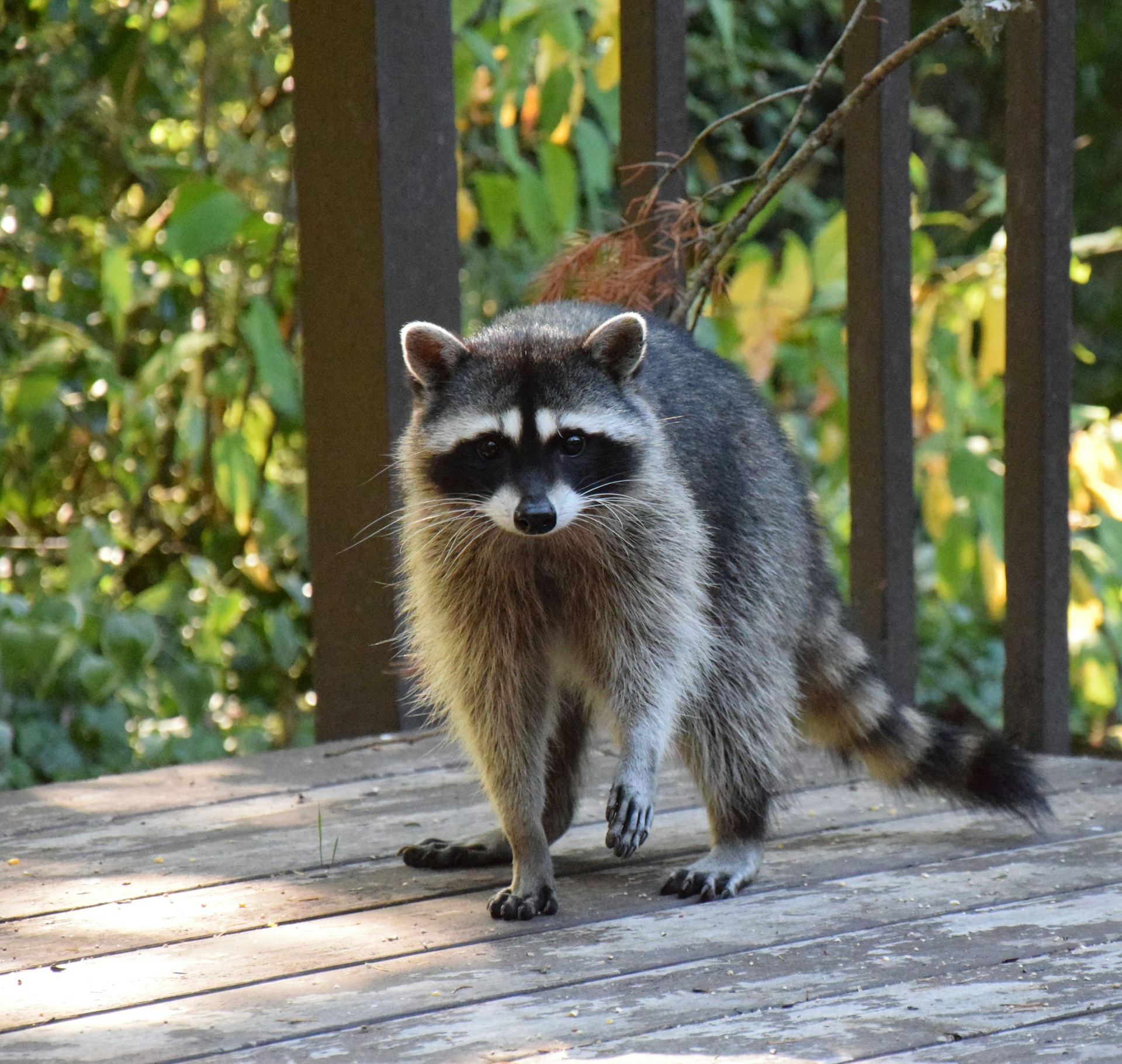
Many wildlife and rodent problems become noticeable when buildings are less active. Rodents may move through ceiling voids after staff leave. Raccoons or squirrels may enter attics and roof edges. Bats or birds may settle near vents, signs, or exterior openings. By the time employees arrive, the evidence may already be scattered across work areas.
- Scratching, odors, or droppings can interrupt opening routines.
- Chewed wiring, insulation, or stored goods may create urgent repair concerns.
- Animal sightings can alarm employees, tenants, customers, or vendors.
- Delayed response may allow contamination or damage to spread overnight.
A 24/7 service option gives businesses a clearer path when activity appears outside a normal schedule. That matters when the facility cannot wait until the next business day.
Entry Points Need Immediate Attention
Rodents and wildlife often enter through overlooked structural weaknesses. Vents, utility penetrations, roof gaps, dock doors, crawl space openings, damaged screens, loose siding, and garage edges can all become access points. Once animals learn a route, they may return repeatedly or expand the opening.
Building vents deserve special attention because they must allow airflow while keeping animals out. A guide on sealed building vents explains why professional exclusion should protect the function of the structure, not simply cover an opening. Poor sealing can trap animals inside, block ventilation, or leave gaps that rodents quickly exploit.
For businesses, proper exclusion is not only a repair step. It is part of long-term risk reduction that helps protect people, inventory, equipment, and building systems.
Commercial Properties Face Higher Stakes
A wildlife or rodent issue at home is stressful. In a business, the impact can reach employees, customers, inspections, leases, insurance concerns, sanitation expectations, and brand trust. Even one visible animal or repeated droppings can raise questions about cleanliness and building management.
- Restaurants and food facilities may face sanitation and inspection concerns.
- Offices may need discreet service that avoids disrupting staff and visitors.
- Warehouses may risk product damage, nesting, and contamination.
- Multi-tenant buildings may require documentation and coordinated access.
Commercial wildlife service must be organized, quiet, and well-documented. The best response considers business hours, sensitive areas, safety protocols, and follow-up needs. This is why professional support is more efficient than trying to manage an unpredictable animal issue without a clear inspection process.
Humane Removal Protects People And Animals
A fast response should still be responsible. Wildlife removal around Lewisville businesses should account for species behavior, location, access, and safety. A trapped raccoon, nesting squirrel, bat concern, skunk near an entry, or snake in a storage area each requires a different approach. Rodents also need more than removal because access and contamination must be addressed.
Humane methods help reduce unnecessary harm while keeping people away from direct contact. This is important because frightened animals may bite, scratch, spray, or move into harder-to-reach areas when handled incorrectly. Professionals can identify the animal, confirm whether young are present, remove it appropriately, and reduce the chance of immediate re-entry.
A broader look at Texas business pests shows why commercial sites need structured service that protects operations without unnecessary disruption. Wildlife and rodent pressure often reflect food, shelter, access, and exterior conditions working together.
Prevention Requires Follow-Through
The first response solves only part of the problem. Long-term protection depends on inspection, exclusion, cleanup, monitoring, and practical adjustments around the property. Without those steps, the same conditions may continue attracting rats, mice, squirrels, raccoons, birds, bats, opossums, skunks, armadillos, snakes, or other nuisance wildlife.
- Exclusion helps close repeat access points after animals are removed.
- Cleanup addresses droppings, nesting materials, odors, and damaged insulation.
- Monitoring helps confirm whether activity has stopped or shifted.
- Prevention reduces food, shelter, and access that invite recurring problems.
For Lewisville businesses, 24/7 wildlife and rodent service provides more than emergency convenience. It supports continuity, safety, documentation, and long-term building protection. When a problem appears at night, over a weekend, or before an important workday, having professional help available can prevent rushed decisions and reduce operational stress.
Keep Business Moving Safely
For responsive rodent control, humane wildlife removal, detailed inspections, exclusion, cleanup, and long-term prevention that help protect your Lewisville business without unnecessary disruption, contact Trapping USA for professional support when wildlife or rodent concerns cannot wait.
