Texas businesses operate in conditions where pest pressure can change quickly. Heat, shifting moisture, busy loading areas, stored goods, open doors, landscaping, and nearby wildlife corridors can all create pest opportunities. A commercial property may look clean while still carrying hidden risk around dumpsters, rooflines, storage zones, drains, attics, crawlspaces, and exterior walls.
Professional pest control is not only about reacting when pests appear. It is a structured process built around inspection, monitoring, exclusion, targeted treatment, and follow-up. Commercial sites need that structure because pests can affect safety, sanitation, reputation, equipment, inventory, and daily workflow. Restaurants, offices, warehouses, retail spaces, medical offices, and industrial properties each have different exposure points, so generic treatment rarely provides dependable long-term protection.
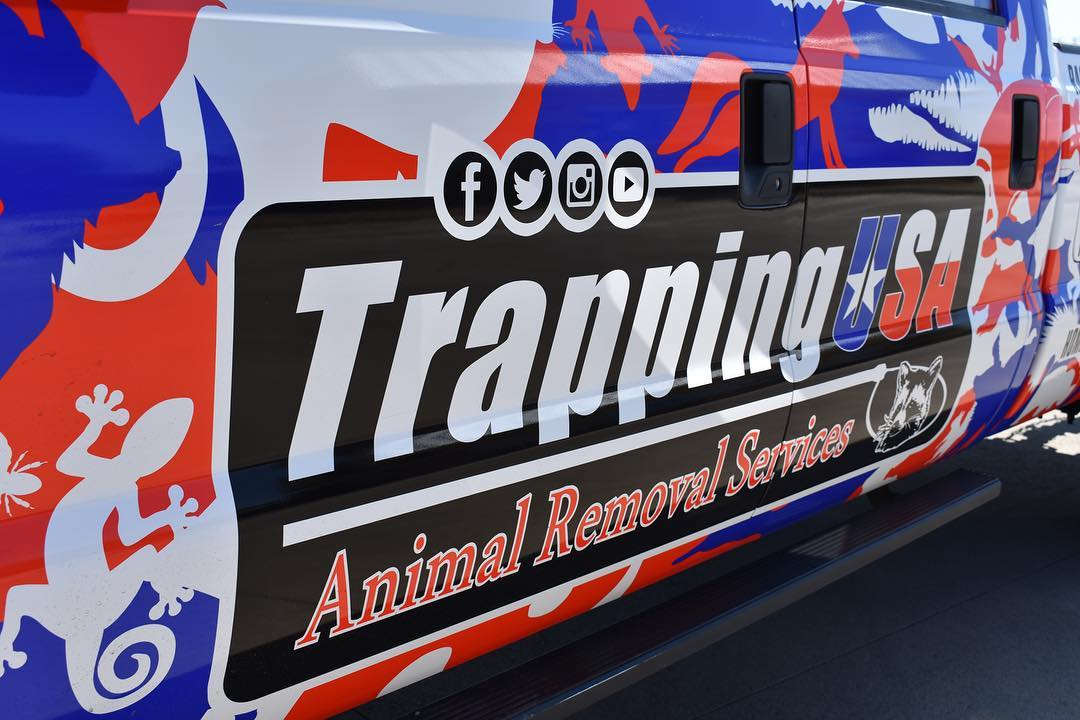
Why Texas Commercial Properties Need Structured Pest Strategies
A business property has more moving parts than a home. Deliveries arrive, doors open repeatedly, employees use shared spaces, trash accumulates, and exterior conditions shift with the weather. These activity patterns can invite rodents, cockroaches, ants, flies, and wildlife such as raccoons, squirrels, bats, opossums, snakes, and other animals seeking food or shelter.
Effective planning starts with understanding how pests interact with the building. A professional inspection looks beyond the obvious complaint and studies how activity may be entering, nesting, feeding, or returning. The goal is not to cover the property with a broad response, but to understand where the pressure begins and why it keeps returning.
Key areas often reviewed include:
- Entry points. Gaps around doors, vents, pipes, rooflines, dock areas, and utility lines can become active routes.
- Sanitation zones. Trash areas, drains, kitchens, breakrooms, and storage spaces may support repeat activity.
- Structural conditions. Damaged screens, worn seals, clutter, and moisture can increase pest access.
- Outdoor pressure. Landscaping, standing water, dumpsters, and nearby wooded areas can attract pests.
- Activity patterns. Droppings, grease marks, rub marks, odors, sounds, and damage help identify the source.
A commercial plan should be built around the property, not a one-time surface response. Every building has its own traffic, storage habits, neighboring properties, and risk areas.
Stronger Systems For Everyday Commercial Pest Pressure
The best commercial programs combine prevention and active control. A helpful overview of commercial pest strategies explains why businesses need more than occasional service when pest activity affects operations.
A strong plan may include routine inspections, discreet monitoring devices, exclusion recommendations, sanitation guidance, targeted applications, and clear documentation. That matters because business owners and managers often need to show that pest concerns are being handled responsibly, especially in food-service and customer-facing environments.
Professional service also helps separate pest concerns from wildlife concerns. Rodents may require trapping, exclusion, and sanitation review. Cockroaches may require source identification and careful treatment around high-risk areas. Flies may point to drain or waste conditions. Wildlife activity may involve damaged vents, roof gaps, attic movement, nesting material, or noise from concealed spaces.
Warning signs that deserve professional attention include:
- Droppings. Rodent or cockroach droppings near storage areas, cabinets, equipment, or walls suggest active movement.
- Odors. Musty, oily, or foul smells may point to nesting, waste, or hidden animal activity.
- Damage. Chewed packaging, gnawed wires, torn insulation, or scratched surfaces should never be ignored.
- Noises. Scratching, thumping, or scurrying in walls, ceilings, attics, or crawlspaces may indicate wildlife.
- Sightings. Repeated pests during business hours often mean the population is larger than it appears.
When the plan is consistent, each visit becomes more useful. Technicians can compare conditions over time, confirm whether previous activity is declining, and adjust the approach before a small issue becomes disruptive.
Wildlife Risks Around Texas Business Properties
Commercial pest control in Texas often overlaps with wildlife management. Animals may enter buildings for shelter, nesting, warmth, or food access. Raccoons, squirrels, bats, opossums, rodents, snakes, and similar intruders can create property damage, sanitation concerns, safety issues, and employee anxiety.
This is especially important for buildings with attics, crawlspaces, warehouses, roof gaps, exterior vents, drainage areas, ponds, or wooded surroundings. A guide on wildlife removal signs explains how noises, damage, odors, and visible nesting signs can point to a larger issue.
Wildlife concerns may involve:
- Contamination. Waste, nesting material, and droppings can affect insulation, storage, and indoor air quality.
- Damage. Animals may tear vents, chew wires, damage gutters, or widen roofline openings.
- Safety. Snakes, bats, raccoons, and other animals can create direct risk when handled incorrectly.
- Re-entry. Without exclusion work, animals may return after removal.
- Disruption. Noise, odors, or sightings can interfere with employees, tenants, and customers.
Professional wildlife service helps businesses address active animals while reducing the conditions that invite them back. A careful process also protects staff from unnecessary contact with animals, waste, or damaged building materials.
Keep Business Operations Protected Year-Round
Pests and wildlife can interrupt a Texas business long before the problem becomes obvious. A steady pest control plan helps protect sanitation, property condition, employee comfort, customer trust, and long-term operations. For professional commercial pest control and wildlife support, contact Trapping USA.
