Wildlife activity in residential yards is more common than many homeowners expect. As outdoor spaces provide food, shelter, and protection, animals such as raccoons, squirrels, opossums, and other wildlife often settle in areas that offer easy access and minimal disturbance. What begins as occasional sightings can quickly turn into ongoing activity if conditions remain favorable.
What makes this situation more complex is how quickly animals adapt. Once a yard is identified as a reliable source of food or shelter, wildlife tends to return repeatedly and may even expand their presence over time. This can lead to increased activity, property damage, and a higher likelihood of animals moving closer to the home itself.
From an expert perspective, animal removal is not just about removing the animal itself. It involves understanding why wildlife is attracted to the yard, how it enters the property, and what steps are needed to prevent it from returning. Addressing these factors creates a more effective and lasting solution.
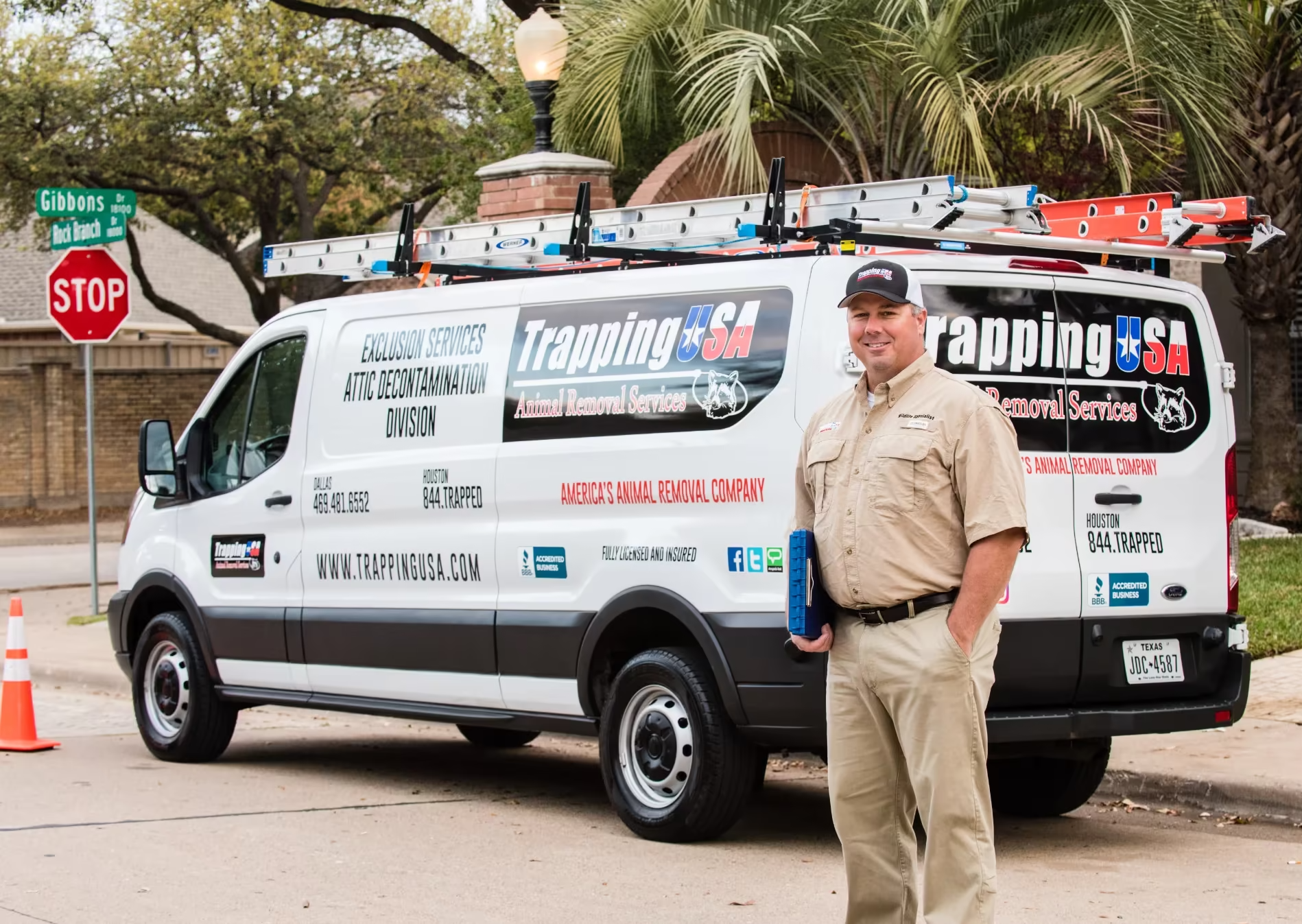
Why Wildlife Is Drawn To Residential Yards
Wildlife does not choose a yard at random. Their presence is usually the result of specific environmental conditions that meet their basic needs for food, shelter, and safety. When these needs are consistently met, a yard can quickly become part of an animal’s regular territory.
In many cases, these attractants are subtle and develop over time. A small gap under a structure, a forgotten food source, or overgrown vegetation can quietly signal to wildlife that the space is suitable for nesting or feeding. Without regular evaluation, these conditions can remain unnoticed while activity increases.
- Food availability attracts activity. Trash bins, pet food, fallen fruit, and garden areas provide easy access to nourishment.
- Shelter opportunities encourage nesting. Decks, sheds, and dense vegetation create protected areas for animals to stay.
- Water sources support survival. Ponds, birdbaths, and drainage areas can attract wildlife.
- Quiet spaces allow animals to settle. Low-traffic areas provide a sense of safety.
- Seasonal changes increase movement. Wildlife may seek new habitats as temperatures shift or food sources change.
Understanding these factors is essential for effective animal removal, as it highlights what needs to be addressed beyond the immediate presence of animals.
Common Signs That Animals Are Using Your Yard
Wildlife activity often leaves behind indicators that may not be immediately obvious. Recognizing these signs helps identify the extent of the issue.
- Disturbed landscaping. Dug-up soil or damaged plants can signal foraging behavior.
- Droppings or waste. Animal waste indicates regular presence in specific areas.
- Noises at night. Scratching, rustling, or movement sounds often suggest active wildlife.
- Damage to structures. Gnaw marks, torn screens, or displaced materials may point to entry attempts.
- Tracks or pathways. Repeated movement can create visible trails in grass or soil.
These signs provide valuable insight into how animals are interacting with the yard and where removal efforts should be focused.
Effective Animal Removal Methods Used By Professionals
Professional animal removal focuses on humane, controlled methods that address both the animal and the conditions that allowed it to enter.
- Live trapping techniques. Humane traps are used to safely capture animals without causing harm.
- Strategic placement of traps. Positioning is based on movement patterns and activity zones.
- Safe relocation practices. Animals are removed in accordance with local regulations and environmental considerations.
- Exclusion methods. Entry points are sealed to prevent animals from returning.
- Habitat modification. Adjusting the environment reduces its appeal to wildlife.
These methods work together to ensure that animal removal is both effective and sustainable.
Why Removing Attractants Is Just As Important
Removing animals without addressing what attracted them often leads to repeated problems. Long-term success depends on changing the environment.
- Securing food sources reduces attraction. Properly storing trash and eliminating accessible food limits wildlife interest.
- Managing vegetation improves visibility. Trimming dense areas reduces shelter opportunities.
- Eliminating water sources discourages activity. Removing standing water limits essential resources.
- Maintaining property boundaries helps prevent access. Fences and barriers can reduce entry points.
- Understanding environmental factors is key. Insights from this guide on wildlife prevention tips show how small changes can have a significant impact.
By reducing attractants, the yard becomes less inviting, lowering the chances of future wildlife activity.
Risks Of Improper Animal Removal
Handling wildlife without proper knowledge can create additional risks. Animal removal requires careful consideration of safety and environmental factors.
- Health concerns from exposure. Animals can carry bacteria or parasites that affect humans and pets.
- Injury risks. Wildlife may react defensively when approached or handled incorrectly.
- Incomplete removal. Failing to address all animals or entry points can lead to recurring issues.
- Hidden hazards. Situations such as deceased animals in confined spaces can create additional complications, as explained in this resource on dead animal risks.
- Environmental impact. Improper handling can disrupt local ecosystems.
These risks highlight why a structured and informed approach is necessary for safe and effective animal removal.
Take Control Of Wildlife Activity The Right Way
Wildlife in the yard may seem manageable at first, but ongoing activity can lead to larger concerns if not addressed properly. Effective animal removal focuses on both immediate solutions and long-term prevention.
For a thorough evaluation and reliable results, contact Trapping USA and explore solutions designed to keep your outdoor spaces safe, balanced, and free from unwanted wildlife activity.
