As winter settles across North Texas, raccoons begin adjusting their routines in ways homeowners may not immediately notice. Lewisville’s mix of wooded greenbelts, lakeside areas, and established residential neighborhoods creates ideal conditions for seasonal wildlife movement. When temperatures drop, raccoon activity increases around homes as these adaptable animals search for warmth, dependable shelter, and steady food sources. Alongside raccoons, other nuisance wildlife such as opossums, skunks, squirrels, rats, and mice often become more visible during this season.
Understanding how winter changes wildlife behavior is essential for keeping your property secure. While raccoons may appear harmless from a distance, they are remarkably strong, skilled climbers, and highly intelligent problem solvers. Once they identify a structural weakness, they can exploit it quickly. Approaching winter with awareness and preparation supports safer animal control practices and reduces the risk of costly repairs later.
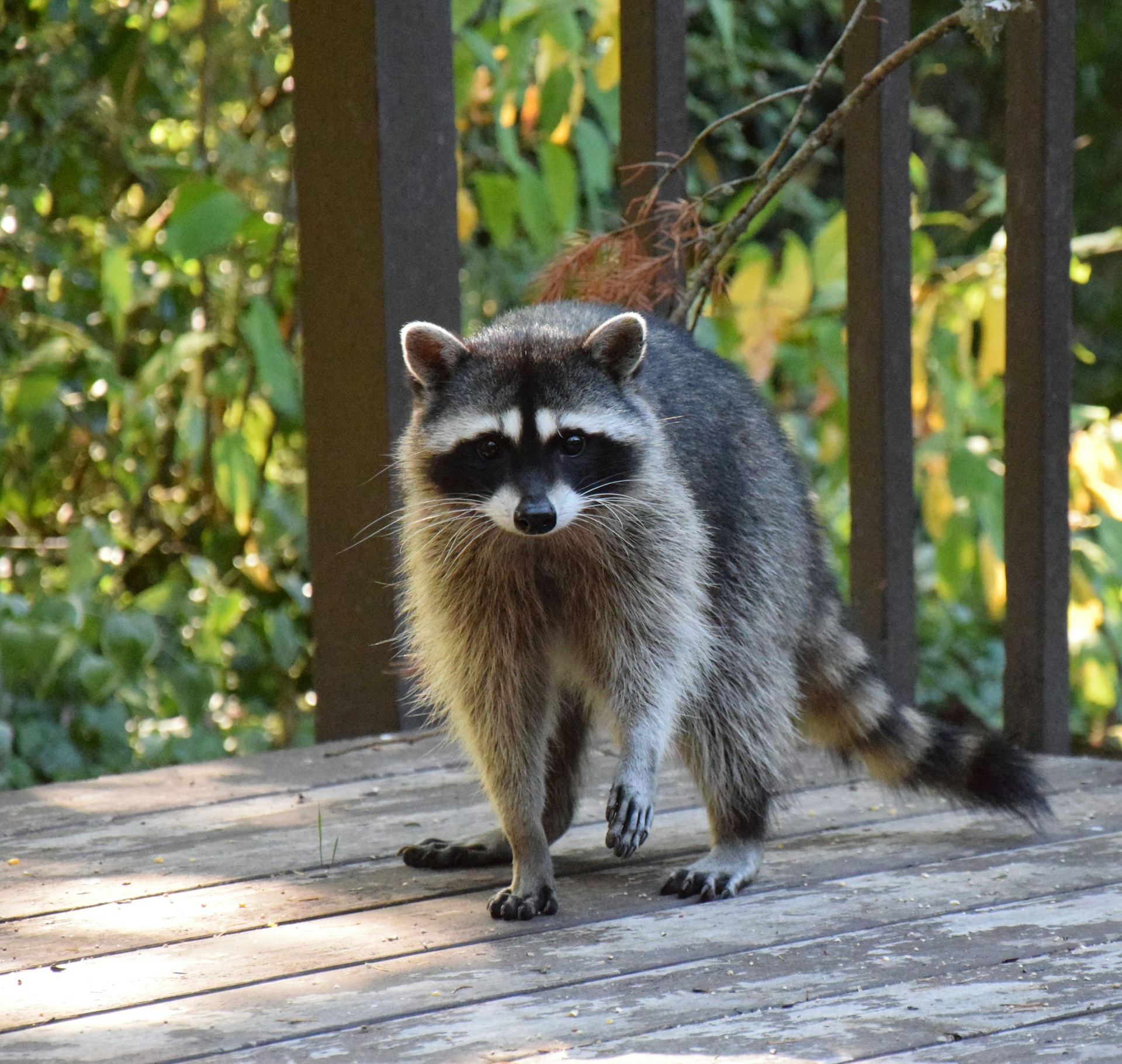
Understanding Why Raccoons Seek Winter Shelter
Raccoons do not fully hibernate, yet they significantly limit movement during cold spells. To conserve energy, they seek enclosed, insulated environments where heat loss is minimal. Attics, crawlspaces, and garages provide ideal refuge when natural den sites become harder to access.
Key winter behaviors include:
- Using warm, undisturbed areas to minimize exposure to cold nights
- Seeking consistent food when natural sources decline
- Taking advantage of loose roofing, soffits, or gaps to slip indoors
Seasonal movement becomes especially noticeable in areas surrounded by trees or water. During winter, wildlife tends to shift closer to residential properties as resources tighten, and these patterns often mirror broader winter wildlife trends observed throughout North Texas. This makes early awareness essential for preparation.
Identifying Signs of Raccoon Presence Early
Small indications often appear before a full nesting situation forms. Raccoons leave recognizable clues that help homeowners intervene early, well before extensive insulation damage or contamination takes place.
Common signs include:
- Scratching or thumping noises coming from attic areas
- Disturbed shingles, roof vents, or soffit coverings
- Droppings near structural openings
- Compacted insulation or shredded material in hidden spaces
Many winter intrusions happen because wildlife enter attics through small gaps that go unnoticed. Once inside, raccoons may stay for extended periods due to warmth and protection from outside conditions. Early detection prevents long-term nesting and reduces structural harm.
Strengthening Your Home’s Exterior Before Winter
Improving the exterior of your home is one of the most reliable ways to reduce the chance of raccoon intrusion. Raccoons often exploit damaged or weakened building materials, using their grip strength to pry open access points. Preparing ahead of winter lowers the risk of an unexpected infestation during the coldest months.
Key exterior strategies include:
- Carefully inspecting rooflines for lifted shingles, exposed sheathing, or gaps around chimneys
- Reinforcing attic vents with sturdy, wildlife-resistant screening
- Removing debris, trimming bushes, and cutting back branches that provide climbing routes
- Ensuring garbage containers stay sealed tightly throughout the season
- Checking crawlspace doors and garage seals for weaknesses
Even with strong preparation, raccoons remain persistent. Once they identify a structure as a potential shelter, they may continue returning. At this point, handling the situation independently often becomes unsafe. Raccoons can cause significant structural damage when stressed or blocked, making professional intervention the more secure option.
Managing Attractants Throughout the Winter Season
Beyond shelter, raccoons consistently seek out food during winter. Homes that unintentionally offer easy meals often become repeat targets. Removing these attractants helps discourage wildlife exploration around the property.
Useful maintenance practices include:
- Bringing pet food indoors rather than leaving bowls on patios or porches
- Cleaning grills, eliminating leftover grease, and disposing of food scraps immediately
- Securing compost piles with wildlife-resistant lids
- Keeping bird feeders clean and elevated
- Trimming overhanging limbs that provide rooftop access
Even with attractant management, raccoons may still investigate properties out of habit, scent trails, or curiosity. Winter conditions push wildlife into survival mode, so persistence is common. When raccoons repeatedly return, even after attractants are removed, the situation often requires a more strategic approach that minimizes stress on the animals and prevents structural damage.
Why Professional Expertise Makes a Significant Difference
Raccoons are strong, intelligent, and capable of causing extensive structural damage when cornered or stressed. Attempting to relocate or block them without proper training often leads to more harm than good. Winter dens can involve multiple raccoons, including juveniles, which increases complexity and risk.
Independent efforts can result in:
- Injury from direct contact
- Increased damage when raccoons attempt to escape
- Incomplete removal that leads to repeated intrusion
- Exposure to waste material that may contain pathogens
Professionals trained in wildlife handling understand how raccoons behave in winter, how they navigate structures, and how to remove them safely. Comprehensive inspection and strategic prevention reduce future activity and ensure humane, controlled outcomes.
Ready to Protect Your Home This Winter
For safe and reliable wildlife assistance during cold season activity, contact Trapping USA for expert support tailored to your property.
