Rodents are among the most persistent and adaptive pests found in Texas homes and commercial properties. Mice and rats move quickly, hide well, and reproduce at a rate that often outpaces homeowners’ attempts to eliminate them. Store-bought rodent traps seem like an easy first step, but the reality is that these devices rarely address the root of the problem. DIY methods may catch an occasional rodent, yet infestations continue because the underlying causes remain untouched.
Rodents navigate structures using scent trails, wall voids, and hidden entry points that most residents never see. They are also cautious creatures that learn to avoid unfamiliar devices. For these reasons, relying solely on rodent traps often gives homeowners a false sense of progress while the infestation quietly grows. Effective rodent management requires understanding how rodents behave, how they enter a structure, and what conditions encourage them to stay.
A comprehensive approach that includes inspection, exclusion, sanitation, and targeted control is far more effective than any single trap. Knowing why DIY efforts fail helps homeowners recognize when professional assistance becomes necessary to restore safety and prevent long-term structural damage.
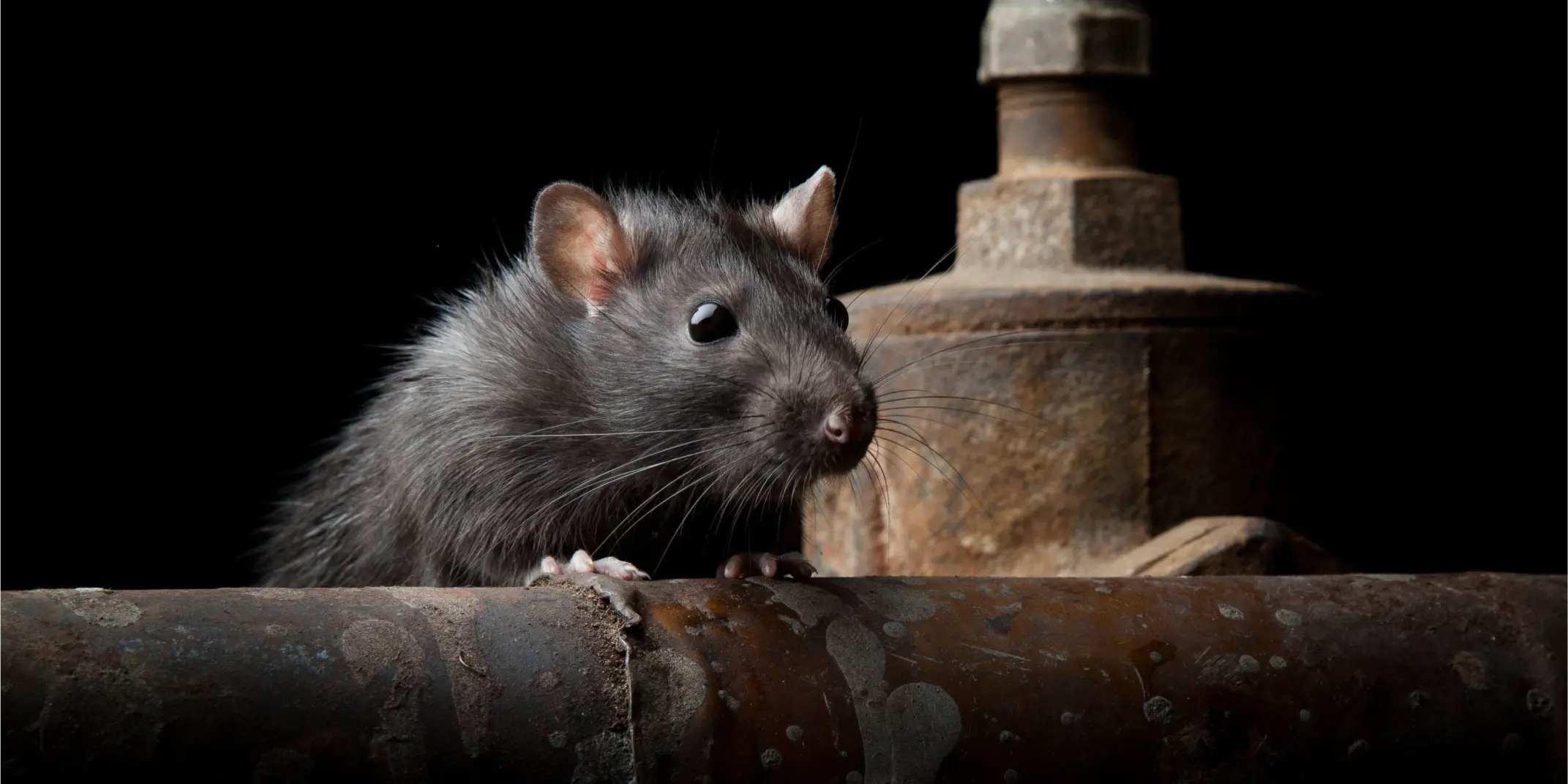
Rodent Behavior Makes DIY Traps Ineffective
Rodents behave differently than many homeowners expect. Their patterns, instincts, and survival tactics make DIY traps poorly suited to handle anything beyond a very small problem. A single mouse caught in a trap does not indicate progress if access points remain open or nesting sites go unnoticed.
Rodents outsmart basic traps for several key reasons:
- They recognize new objects and avoid unfamiliar scents
- They travel along wall edges, not open floor spaces
- They reproduce too quickly for traps to keep up
Mice and rats are neophobic, meaning they are naturally cautious around new objects. A trap placed with human scent on it, or positioned incorrectly, can be ignored for days or weeks. Meanwhile, rodents continue to access food sources, contaminate surfaces, and expand nesting areas.
Rodents also prefer moving along wall lines or hidden pathways, meaning traps placed in exposed areas rarely see activity. Without understanding these patterns, placement errors become inevitable.
On top of behavioral challenges, reproduction rates outpace DIY efforts. One pair of mice can produce multiple litters each year, meaning a handful of rodent traps cannot control a population that grows exponentially.
Incorrect Placement Creates Missed Opportunities
Even the most effective rodent traps fail when placed improperly. Placement is a precise science, guided by rodent runways, entry points, and areas with higher food or moisture access. Homeowners placing traps randomly often end up catching nothing while rodents continue traveling through safer, hidden routes.
Common placement mistakes include:
- Positioning traps too far from walls rather than directly along rodent pathways
- Setting traps in open areas where rodents feel vulnerable
- Ignoring signs like droppings, rub marks, or gnaw marks
Rodents prefer tight spaces because they rely on their whiskers and body contact with surfaces to guide them. A trap in the middle of a kitchen floor, for example, is unlikely to intercept their movement.
Droppings, dark smudges, and chewed materials indicate rodent traffic patterns. Without training in tracking these signs, homeowners often miss ideal placement spots altogether. Misplacement leads to empty traps while rodents continue exploring cabinets, pantries, and utility rooms.
Businesses face similar placement challenges. Commercial settings often have high traffic zones, storage areas, and hidden structural pathways that allow rodents to move unseen. Understanding these complex environments helps explain why commercial rodent control is essential for large-scale protection.
Bait Selection and Handling Limit Trap Success
Bait plays a critical role in trap success. DIY rodent traps often fail because bait selection or handling is insufficient. Rodents have strong senses of smell and can detect contaminants, human scent, or food items that do not appeal to them. Using the wrong bait or applying it incorrectly reduces the likelihood of catching anything.
Bait-related failures often involve:
- Using food items that rodents do not prefer or find suspicious
- Handling bait or traps without gloves, leaving scent behind
- Applying too much bait, allowing rodents to grab it without triggering the trap
Rodents often avoid traps that smell unnatural. If homeowners touch traps with bare hands, the scent of soap, lotion, or skin oils may discourage rodents from exploring them.
Over-baiting is another common issue. Too much material allows rodents to remove the bait without springing the trap. Using a minimal amount of highly attractive bait, placed correctly, is far more effective.
With many rodent species in North Texas, bait preferences vary. Professional teams consider species, behavior, and environment before selecting the proper attractants.
Why Rodent Traps Do Not Address the Source
The biggest reason DIY rodent traps fail is that they do not address the cause of the infestation. Rodent control requires more than capturing individual animals. A long-term solution depends on sealing entry points, removing attractants, and evaluating the home or business structure for vulnerabilities.
Here are the major limitations of trap-only approaches:
- Entry points remain open, allowing new rodents to enter freely
- Nesting sites inside walls continue to support rapid population growth
- Structural vulnerabilities and food sources remain unchecked
A trap does nothing to stop rodents from entering through gaps around the roof, foundation cracks, or openings around pipes. If these pathways are not sealed, new rodents will continuously replace the ones removed.
Nests inside attics, wall cavities, or insulation remain untouched with DIY methods. These nests allow rodents to breed undisturbed, quickly overwhelming efforts made at the trap level.
Rodents thrive when food sources are available. Without identifying and removing these attractants, the infestation persists.
Restaurants and food-based businesses experience this challenge more intensely. Understanding commercial pest needs highlights how quickly rodents can exploit food environments, making traps an insufficient solution on their own.
Professional Intervention Ensures Long-Term Solution
Rodent control requires a structured, strategic approach that integrates inspection, sanitation, exclusion, and targeted capture. Traps may be part of the plan, but they cannot stand alone. Professionals use specialized equipment, inspection techniques, and species-specific strategies that homeowners simply cannot replicate.
Expert intervention provides:
- Precise identification of species, nesting areas, and entry points
- Effective sealing and reinforcement to prevent reentry
- Safe and targeted removal that addresses hidden populations
Professionals evaluate the entire property and design a long-term strategy that reduces risk and prevents future infestations. This approach safeguards both homes and businesses from repeated rodent problems.
When Traps Fail, Real Solutions Begin
If rodent traps are not solving the problem, it may be time for a more thorough approach. Contact Trapping USA for expert rodent control that protects your property with precision and long-lasting results.
